
Mary Katharine Goddard: 1738 - 1816
Author's Note: Courage often forms quietly, shaped by risk and consequence, long before recognition. "The Courage They Didn’t Teach" highlights stories of endurance from the mid-eighteenth century onwards, focusing on individuals who faced challenges—some publicly and others in silent resistance. It shows that true courage lies beyond celebration, islearned under pressure, and is practiced long before acknowledgment, if it ever comes.
Also in This Series: The Courage They Didn't Teach: Franklin Before the Break
Ink That Doesn’t Come Back
In early America, the printing press played dual roles, serving as a tool and a liability. In a world where nearly everybody relied on printed sheets for news, law, and commerce, ink carried authority.
Once the printed words left the shop, they traveled well beyond the printer's control, with meaning that couldn't be softened or withdrawn. Officials knew that power, which explains why the press attracted scrutiny well before armies marched.
Mary Katharine Goddard lived that pressure daily because running a printshop demanded quality, accurate typesetting, discipline, and judgment: errors didn't stay small, and any misprint ruined trust. A controversial notice could invite retaliation by the afflicted party.
Printing rewarded caution, even when truth demanded exposure.
Goddard's shop—like most printshops—served communities that depended on printed notices for daily life, not just politics. It's a reliance that slowly built credibility, which made her later choices carry even more weight. As politics sharpened, her press already held strong public trust.
Then, as now, printing never offered neutrality, something Goddard understood long before revolution forced the issue.
A Woman Holding a Business Together
Goddard didn't decide one day that she wanted to be a printer. Family circumstances pushed early responsibility toward her, and she accepted it without hesitation. When male relatives running the family's printshop in Providence, Rhode Island, stepped aside, she stepped forward, keeping her presses running in cities where printers anchored civic life.
After the death of her father in 1762, she and her mother joined her brother in Providence, R.I., where he had established a printing shop, and where both mother and daughter began their careers as printers. Mary Katherine actively worked in publishing the weekly Providence Gazette until the end of 1768, when she joined her brother’s printing office in Philadelphia, where he published the Pennsylvania Chronicle. Though the publication remained under the brother’s name, William Goddard, Mary Katherine managed the shop, one of the largest in the colonies. In May 1773, William started a new printing business in Baltimore and began Baltimore’s first newspaper, the Maryland Journal. In February 1774, the Philadelphia shop closed, and Mary Katherine moved to Baltimore to take over the new plant and newspaper.
Running any successful business is a tremendous achievement, but operating one as a woman brought constant friction. Her suppliers kept testing her authority, officials questioned her competence, and any mistakes invited harsher judgment than men faced.
Reliability had to be absolute because tolerance ran thin.
Goddard managed workers, met deadlines, balanced accounts, and navigated local politics with a steady resolve. Customers kept coming back because her work held up, even when recognition lagged.
Before the political temperature began to rise, she proved her grit and courage by showing persistence under scrutiny.
When Printing Turned Political
Almost overnight, talk of revolution transformed printing, when paper stopped being routine, and ink became evidence. Printers shifted from commerce into consequences without warning.
British authorities closely tracked the presses, knowing how quickly printed words passed. Loyalists kept a close watch and spread retaliation quietly through seizures, harassment, or removal from favor. Many printers chose discretion over valor by omitting details that exposed individuals.
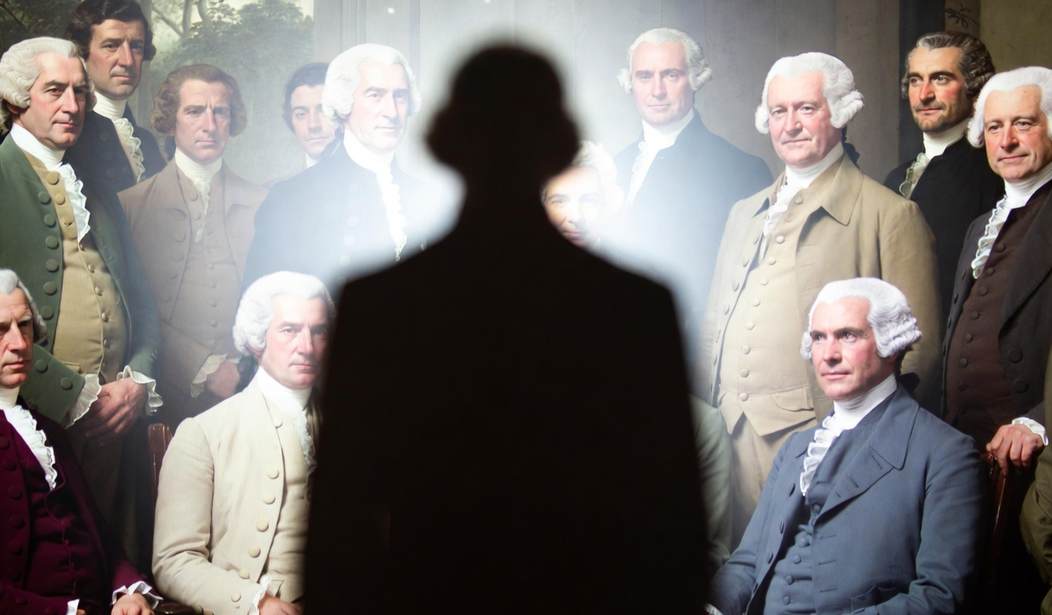
When the Declaration of Independence began circulating, most early printings avoided naming the signers during a time when anonymous rebellion reduced personal risk and preserved deniability.
That, however, wasn't the route Goddard did; she chose exposure, printing the Declaration with the names attached on January 18, 1777, leaving no doubt about who stood behind the words. Her coup was being the first printer to do so.
Why the Names Changed Everything
Ideas were transformed into commitment, where anonymous protest allowed a semblance of distance, showing the signatures demanded a response.
Goddard forced accountability into public view, while her readers no longer found an abstract rebellion but instead saw neighbors, leaders, and men willing to attach identity to consequence.
Her press converted their words into a permanent record: loyalists saw targets, patriots saw proof, and neutral ground instantly disappeared.
There was no argument or persuasion from Goddard: She printed, knowing once the ink dried, there would be consequences.
Living Under Watch
Once published, the Declaration's reaction unfolded without drama but with clarity, with the authorities taking notice and allies taking notes. Goddard's shop attracted the kind of attention she couldn't avoid.
We need to remember the times when printers lived exposed lives, when each edition left a trail that could be followed for weeks or years.
Toss the fact that a woman printer in Baltimore printed the names, which removed any claim of accident or misunderstanding.
It didn't matter. Goddard kept the press running anyway, printing notices, circulating the news—safety wasn't found by remaining silent once she made that choice.
Mary Katharine Goddard's courage didn't show up as a moment, but as sustained exposure.
The Price Paid Afterward
When peace finally arrived, there wasn't gratitude attached. When the war ended, the young nation shifted from survival to control, and the people who mattered most during the crisis often found themselves being inconvenient afterward.
The urgency of the American Revolution gave way to administrative order, and political favor was now something to manage rather than share.
One of the most valuable positions of early America tied to a printing press was the postmastership, which provided a steady income, influence, and protection—especially important for a lady running a closely watched Baltimore printshop.
Postmaster was a position that Goddard held for years, earning it through competence and reliability, well before the war for independence changed the rules.
Her removal came with a quiet replacement, not with accusations followed by hearings.
In 1789, her dismissal as postmaster opened up the position for a man with stronger political connections. There wasn't a scandal or any explanation. Official language was polite and insubstantial.
That decision was without public rebuke, making it harder to challenge and easier to forget. For Goddard, it meant the loss of a stable income and the slow weakening of the business she kept running through a war.
The winds of politics shifted toward consolidation, favoring networks, loyalty chains, and familiar faces in the new federal system.
Women who filled the gaps during the crisis no longer fit the preferred image of authority once order returned. (Rosie the Riveter, anybody?)
Goddard's competence mattered less than her lack of political leverage in the new system that began reasserting hierarchy.
Her pain wasn’t just financial; it stripped away her institutional standing, which, for a printer, depended on official work for both income and legitimacy. Without it, survival grew difficult, but for a woman in the 18th century, regaining such a role proved nearly impossible, despite her record.
Goddard's courage didn't shield her from that outcome, and it never promised to. She had printed names when others hid them, and peace responded not with honor, but with erasure.
Despite that, the work remained, even if the recognition didn't.
Her Death
Goddard remained in Baltimore, continuing to operate the bookshop she had started beside the printing business, and died in 1813 at the age of 78, buried in St. Paul's Parish graveyard.
Final Thoughts
In the age before digital, a printer knew that once the press ran, the distributed page belonged to the world. Mary Katharine Goddard accepted that truth when others chose to hide.
She printed names, knowing full well that consequences would follow, and they did anyway.
By itself, courage doesn't arrive through speeches of slogans, but in Goddard's case, it came through ink, paper, pressure, and her refusal to hide.
When the moment demanded clarity, Mary Katharine Goddard set it in type and let the paper carry the weight.
Next Up in This Series: Olaudah Equiano
Enslaved as a child and later able to buy his freedom, Olaudah Equiano carried slavery’s reality with him wherever he went. Freedom didn't remove danger, especially during a time when speaking openly threatened powerful interests that depended on silence. Equiano chose testimony over safety, using his own life as proof that slavery was not an idea, but a lived cruelty.