
A sea captain with enough experience knows when to ease the rope. Pull too hard and the mast splinters under pressure. Give the crew room to work and let the ship find her balance. Control keeps a vessel rigid, and trust lets it move.
In the 1750s, one British leader understood that difference, and the Atlantic world changed because of it.
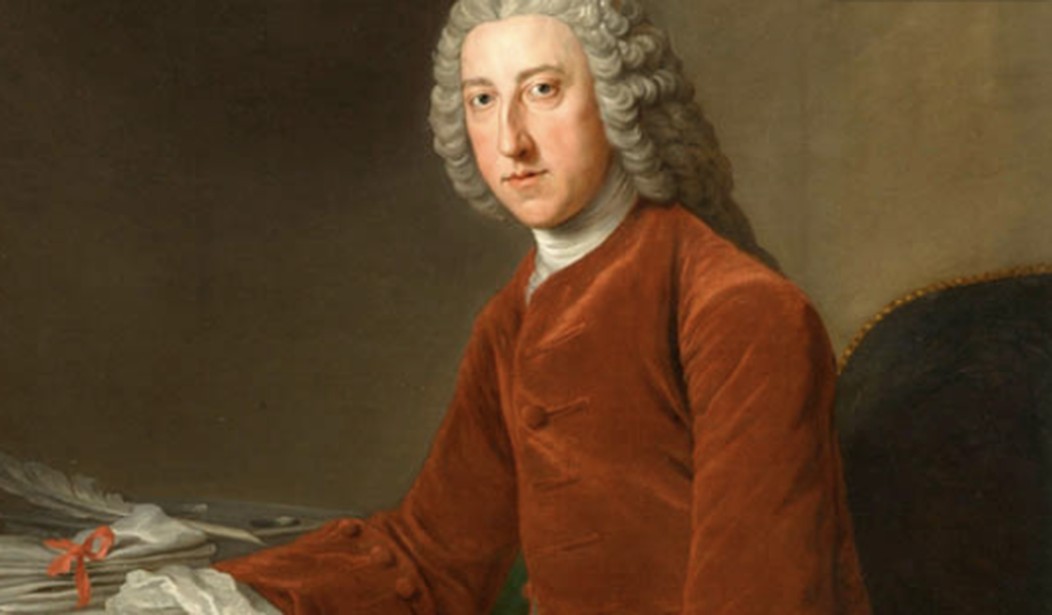
William Pitt the Elder
William Pitt the Elder stood as the most influential statesman in the Atlantic world during the Seven Years’ War. Britain faced France across oceans, continents, and distant frontiers, a conflict that reached from the forests of North America to the sugar islands of the Caribbean, from European ports to trade routes feeding empires.
Early in the conflict, British leaders viewed the American colonies as manpower reserves and a source of revenue, if the Americans were lucky just to be referred to as that.
Colonial troops served as auxiliaries and were considered useful, but, more importantly, expendable. Their officers reported to London, while their judgment rarely mattered.
Pitt outright rejected that premise, trusting colonial militias, funding and arming them, and placing them alongside regular British troops as partners rather than tools. He respectfully spoke to colonial assemblies, treating provincial leaders as allies rather than dependents.
Penn's choice reshaped the war, quietly reshaping the people fighting it.
Trust as a War Strategy
Calculation, not sentiment, guided Pitt’s approach. Colonial forces understood local terrain, river systems, seasonal weather, and supply routes in ways officers arriving from Britain never could. Frontier warfare demanded continuous adaptation, while linear European tactics failed in forests and along rugged waterways.
Pitt decided to integrate colonial units into planning and logistics, approved reimbursement for provincial expenses, paid his troops on time, and ensured supplies arrived as promised. Colonial commanders gained authority over local operations rather than serving as nothing more than messengers for distant superiors.
That respect produced outstanding results: campaigns coordinated more effectively, supply lines held through harsh winters, and joint forces captured strategic positions across North America, including key French strongholds, which shifted control of entire regions.
Victories followed, not by simple brute force, but through cooperation built on trust rather than compulsion.
Confidence Changes Everything
Perhaps the most important thing colonial soldiers learned was confidence, more so than learning battlefield drills.
Provincial officers planned operations, managed logistics, and commanded troops under fire, while coordinating with British regulars as equals and, in the meantime, discovering their judgment held weight.
Success reinforced belief; the colonies proved they could organize, endure, and, critically, win.
Pitt remained loyal to the Crown and Parliament and never preached independence. His policies lifted a psychological ceiling that had kept the colonies deferential, weakening the idea that ships arriving from London carried all the authority.
Once people learn they succeed on their own terms, obedience doesn't feel inevitable. Confidence alters loyalty; it doesn't erase it, but expectations are reshaped.
What began as a wartime necessity became a lesson that couldn't be unlearned.
Victory and the Debt That Followed
In 1763, Britain won the war and emerged with the largest empire it had yet seen. France lost its North American foothold, while British influence expanded across oceans and continents.
Victory, unfortunately, came at a heavy cost: war debt ballooned. Maintaining far-flung territories required money, troops, and administration.
Pitt believed loyalty grew from respect and partnership, but Parliament looked at things differently. Control, they thought, preserved their authority, and pressure ensured obedience.
Soon, taxation schemes followed; new duties targeted the colonies that had just proven their competence and value. Revenue replaced cooperation; oversight replaced trust. Pitt's system faded from the light, replaced by regulation and enforcement.
It created a stark contrast; colonials remembered how Pitt treated them and immediately felt the difference.
Courage That Angered Elites
Pitt's courage unsettled Britain's ruling class, challenging aristocratic patronage networks that rewarded birth over ability. He promoted officers and administrators based on merit instead of lineage. Such thinking gave comfortable hierarchies the vapors.
Many English elites viewed Americans as second-rate subjects, practical, yes, but unreliable. Pitt openly rejected that view, arguing that competence mattered more than pedigree, wherever it appeared. His faith in the colonials' ability exposed hidden weaknesses in Britain's own class structure.
And that's what ended up costing him allies, because when the war ended, entrenched interests reclaimed influence. Pitt lost his position as the power shifted back to those who favored control over cooperation.
Pitt's vision outlived his office, even as policy moved in the opposite direction.
Training Without Meaning To
In the colonies, resistance to British rule didn't happen overnight. Leaders who later challenged British authority learned organization, supply discipline, and command while serving under Pitt. They built networks, gained experience, and developed confidence under his system.
What they also remembered was respect; when policies hardened after Pitt's fall, the change felt personal, because the withdrawn trust stings more sharply than trust never given.
Similar to NFL coaching trees, Britain later faced opponents shaped by its earlier wisdom. Empowerment carries consequences, even when intentions remain loyal. Pitt strengthened others because he knew strong partners made a stronger empire. History ended up moving in a direction he never sought, but his imprint stayed clearly marked.
Why Pitt Endures
Pitt's leadership style offers a lesson rarely taught: Strengthening capable people produces results and risks simultaneously. Leaders who trust others need to accept any outcome they can't fully control.
Fear tightens the ropes that courage loosens.
Pitt chose courage, trusting judgment beyond his immediate reach. That choice won a global war and planted the seeds of confidence that reshaped history. His fall proved how uncomfortable such courage feels to those who rely on hierarchy for security.
Under Pitt's command, the ship crossed dangerous waters, but the crew was steady and capable. Later, captains pulled every tight rope, fearing what confident sailors might attempt. The ship sailed on for a while; wood remembers strain longer than success.
Final Thoughts
William Pitt the Elder won Britain an empire and taught America confidence without ever meaning to. His courage didn't come from conquest, but from trust. Some leaders end up fearing the strength they've cultivated in others, but history rewards those willing to accept that risk.
This makes me ask, would our Revolution have happened when it did? I can't imagine the Fathers of our country accepting British rule for long, but if the Crown and Parliament had continued Pitt's policy, what would've happened?
Some lessons arrive quietly, taught by example instead of command. Those are the kinds of lessons that endure long after authority fades, carried forward by people who learned their worth when somebody important treated them as equals.