







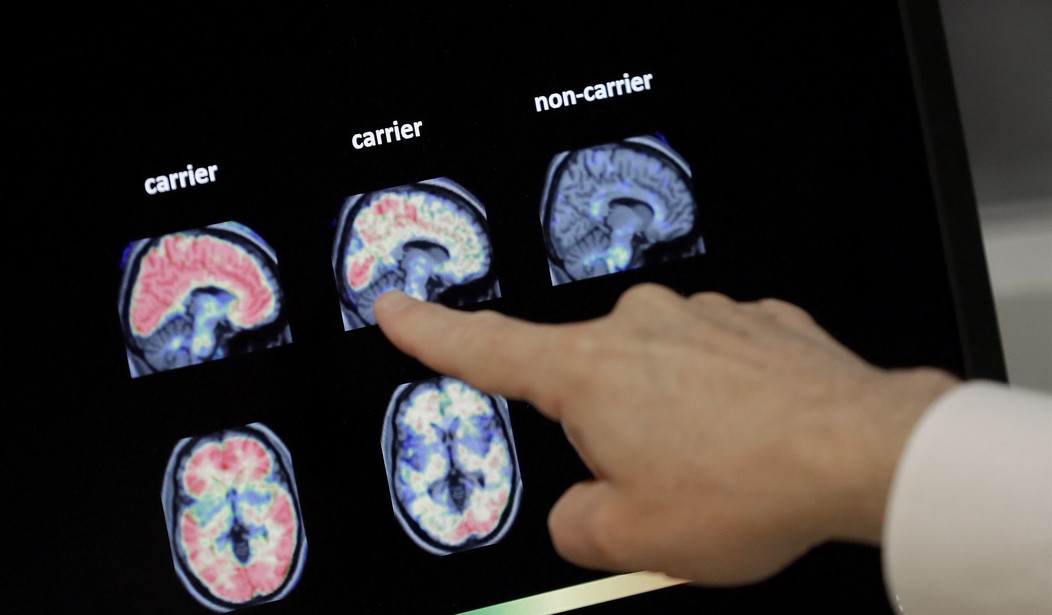
There are few things more fragile or mysterious in our lives than brain health and understanding. More than ever, Americans are rethinking the foods they eat and the lifestyle choices they make in order to live healthier, more vibrant lives, as medical science desperately endeavors to leap forward with new methods of treating and screening for diseases and challenges once thought to be invincible.
One area where incredible progress has been made is the elusive, complex field of Alzheimer’s disease research. Researchers are uncovering new and innovative ways to screen for, diagnose, and treat this disease. If only policy could catch up to the science, we’d really be in business.
Alzheimer’s disease is already one of the top 10 causes of death in the United States. Believe me, having lost four (and counting, unfortunately) close relatives to complications associated with it, including my beloved mother, I know the drill. More than 7 million Americans are living with the disease today, and that number is projected to nearly double to 13.8 million by 2060. If we don’t make serious strides against this crisis, the cost of caring for patients will only grow; as I write, the nation is on pace to spend $1 trillion a year on Alzheimer’s treatment alone by 2050.
Last year, the Food and Drug Administration (FDA) cleared two new blood-based diagnostic tests for Alzheimer’s. This is massive news for patients and their families looking for answers about their brain health in increasingly desperate fashion. These tests are a significant and necessary improvement over traditional alternatives such as positron emission tomography scans or CSF testing, a particularly cringeworthy procedure in which a specialist must perform a spinal tap. These new blood-based tests are both less expensive and far less invasive. Research is also underway to evaluate whether blood tests such as these could help detect Alzheimer’s well before patients begin to show symptoms.
These breakthroughs are giving new hope to patients at risk for Alzheimer’s disease (genetics being a key indicator, which makes me one). This is especially true in rural areas, where access to specialists is growing harder and harder to come by. Ultimately, all at-risk Americans stand to benefit from blood tests that hold promise for quicker and less brutal diagnostic techniques and, ultimately, risk factors.
But something needs to happen here on the policy end. A technical distinction in Medicare policy currently limits coverage for Alzheimer’s blood tests used for screening. This is denying patients access to tests that could otherwise have an immense impact on their care and peace of mind. Career bureaucrats and Medicare red tape are keeping these groundbreaking, FDA-approved tools out of reach for the seniors who need them most.
Thankfully, a solution is on the table to help clear a path for patients to benefit from these advances: the Alzheimer’s Screening and Prevention (ASAP) Act.
The ASAP Act would allow Medicare coverage of FDA-cleared blood tests for routine Alzheimer’s screening. Experts agree that expanding access to early screening must be the starting point for addressing this crisis. HHS Secretary Robert F. Kennedy Jr. has called the absence of early Alzheimer’s screening “almost regulatory malpractice.” Physicians like Dr. Brent Beasley, who cared for Alzheimer’s patients for years before being diagnosed with the disease himself at 57, and public health leaders like former CDC Director Dr. Robert Redfield have made the same case: Catching this disease early gives patients and their doctors more options. By simply passing the ASAP Act, Congress can immediately break down some serious walls in this regard.
Related: Me and RFK Jr.: A Twisted Tale
As anyone who has ever faced an Alzheimer’s diagnosis or cared for someone who has will tell you, the journey through diagnosis and treatment can be both frustrating and scary. As Alzheimer’s Association Vice President of Public Policy Michelle Branham has written, the disease “slowly steals everything — memories, independence, and everyday joys — while putting an enormous emotional and financial burden on American families.” New, noninvasive diagnostic tests can help patients get answers about their health and chart a path forward. Alzheimer’s disease will not wait for our policymakers, however, which is why Congress should act on these reforms, just as the bill’s name suggests, as soon as possible.
The Trump administration has made Make America Healthy Again a centerpiece of its political program. The administration and HHS are heavily focused on bringing the latest Alzheimer’s screening tools to America’s patients and their families. So c’mon, Congress. Pass ASAP and get it to the president. There is no time to waste.
Editor’s Note: The Trump administration is making historic moves as it works to improve life for all Americans. Help us continue to report on the good news by joining PJ Media VIP and using promo code FIGHT to receive 60% off your membership.



Join the Conversation
VIP members get the ability to comment on articles.