
Later this week, the Advisory Committee on Immunization Practices (ACIP) is set to convene to debate/discuss/vote on the current CDC recommendation that newborn babies get injected with a hepatitis B vaccine within the first day of life.
(Hepatitis B, it should be noted, is primarily transmitted via sexual activity or intravenous drug use.)
Predictably, pro-pharma media outlets (heavily dependent on drug advertising) and politicians who likewise service the industry are trying to get ahead of the public debate as part of an unsubtle pressure campaign to keep the vaccine schedule as is.
Via STAT News (emphasis added):
On Dec. 4, the CDC’s Advisory Committee on Immunization Practices (ACIP) is expected to vote on whether to maintain the long-standing recommendation that all medically stable newborns who meet a weight threshold receive their first dose of hepatitis B vaccine within 24 hours of birth.
Before the ACIP renders its decision on the birth dose, the University of Minnesota’s Center for Infectious Disease Research and Policy Vaccine Integrity Project, which my colleagues and I founded to safeguard vaccine use in the U.S. so that it remains grounded in the best available science, will conduct a comprehensive, transparent synthesis of the decades of data on it: its safety, its effectiveness, and its public health impact. We are doing this to ensure the scientific evidence is on the record, unfiltered and accessible to policymakers, clinicians, and the public alike.
The birth dose of the hepatitis B vaccine has, for more than three decades, served as one of the quiet triumphs of modern public health — a recommendation expectant parents can choose to protect their newborns. It has also been a target of anti-vaccine advocates.
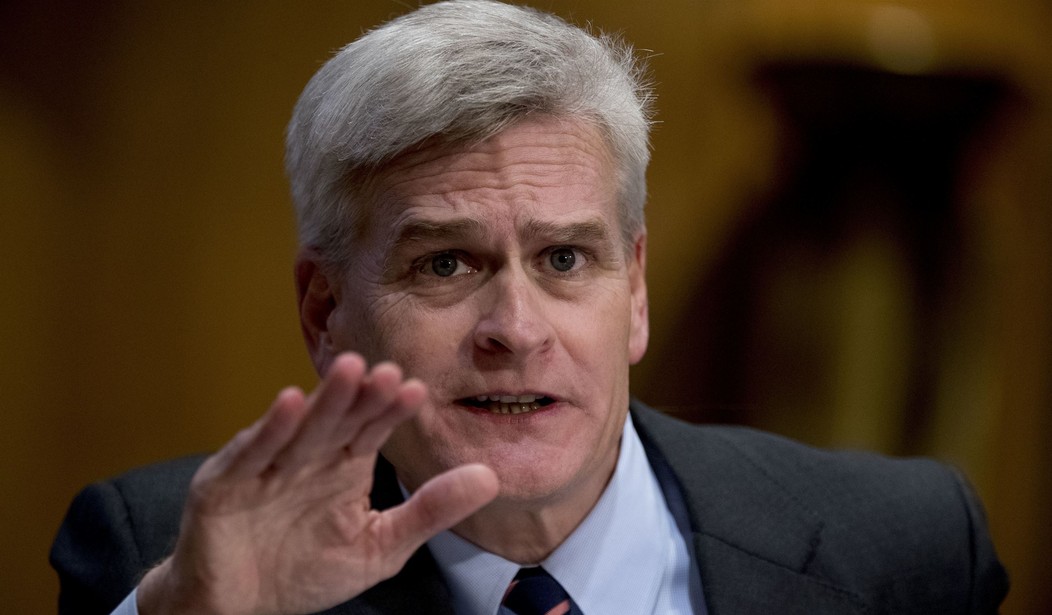
“This should matter for American parents. Are you comfortable with what they're about to put to a vote?” CBS news actress Margaret Brennan presses anti-MAHA Sen. Bill Cassidy, who replies that he’s “very concerned” his “medical practice focused on hepatitis B.”
I'm very concerned about this. As it turns out, my medical practice focused on hepatitis B, and so we know that because of the recommended dose at birth of hepatitis B vaccine—recommended, not mandated—the number of children born contracting hepatitis B at birth or shortly thereafter has decreased from 20,000 twenty years ago to like 200 now. That's effectively a clerical error. We have decreased the incidence of chronic hepatitis B by 20,000 people over the last two decades with this kind of recommendation*. And by the way, if you're infected at birth, you are more likely—95% likely—to become a chronic carrier. That vaccine is safe. It has been established. And these ingredients they're speaking of have been shown to be safe. This is policy by people who don't understand the epidemiology of hepatitis B or who've grown comfortable with the fact that we have been so successful with our recommendation. Now that the incidence of hepatitis B is so low, they feel like we can rest on our laurels. I'm a doctor and I see people die from vaccine-preventable disease. I want people to be healthy. I want to make America healthy. You don't start by stopping recommendations that made us substantially healthier.
Sen. Bill Cassidy is ‘Very Concerned’ About ACIP Reevaluating the Hepatitis B Vaccine Schedule & the Safety of Aluminum
— Chief Nerd (@TheChiefNerd) November 17, 2025
“The vaccine is safe. It has been established. And these ingredients they're speaking of have been shown to be safe.” pic.twitter.com/lP7zMGNo5C
*Compare an alleged 20,000-case reduction in chronic hepatitis B in children with the millions of shots administered to babies, which have extremely common (usually mild but sometimes serious) side effects.
Common sense would seem to dictate that a serious, rigorous cost-benefit analysis of injecting newborns carried out in public, which has never happened, is in order — especially when the mother can easily be tested for hepatitis B, the overwhelming source of transmission for babies.
But pharma-funded senators like Bill Cassidy and legacy media outlets running ads for erection pills and Wegovy every commercial break very obviously don’t want to have that conversation.