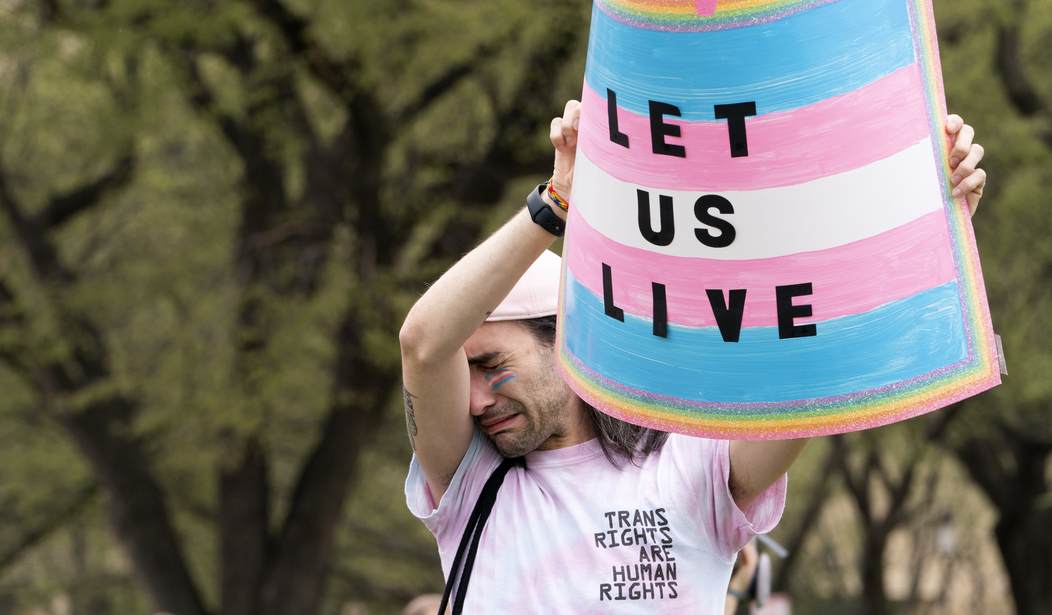

I have been writing about transgender issues for a decade. I was banned from Twitter for expressing the view that it was possible that many young people who think they are transgender may actually be suffering from other psychological conditions, such as depression.
In 2024, Dame Hillary Cass published a review of gender identity services for children and young people in Great Britain. What she uncovered was a tragic misuse of psychology in the name of "affirming" a child's choice of gender while ignoring other psychological explanations for their gender confusion.
The review led to the closure of the number one gender care facility in Great Britain: the Gender Identity Development Service (GIDS) at Tavistock.
In her report, Cass addressed the fact that some practitioners feared being accused of “failing to affirm a young person’s gender identity or of practicing conversion therapy.” Cass was anxious that any future legislation “should not make workforce problems worse than they are."
British Parliament did not heed that advice. A bill introduced and backed by the LGBTQ+ lobby, as well as trans activists, would criminalize clinicians who do not affirm the gender choice of a young patient. Rather than exploring alternative reasons for young people's mental health difficulties, a therapist is forced out of an abundance of caution to practice "affirmative care."
It's called the Conversion Practices Bill, and it aims to establish specific criminal offenses targeting abusive and coercive practices intended to alter someone's sexual orientation or transgender identity. The bill introduces civil "Conversion Practice Protection Orders" (CPPOs), which are court-mandated restrictions or requirements designed to protect individuals from potential or ongoing conversion practices before or after an offense occurs.
Critics, including various medical professionals, psychotherapists, and religious groups, have raised concerns about its potential "chilling effect". Specifically, opponents worry that the broad or vague phrasing around psychological pressure or exploratory conversations could "inadvertently criminalize parents, counselors, or clinicians" who practice exploratory therapy or traditional parental guidance regarding minors questioning their gender identity or sexual orientation.
It's an open question whether the bill "inadvertently" does anything. It's an open invitation to trans and LGBTQ activist groups to take aim at apostates who don't agree with them on affirmatively treating trans kids.
"As the conversion practices bill strides ever closer to legislation, fear within the profession is growing — yet hardly anyone dares to speak out," writes UnHerd's Julie Bindel. "Of that small but significant minority of child clinical psychologists who have questioned the affirmative approach of 'gender medicine' — all have been roundly punished."
“I’m seeing kids now who really need a psychologist who isn’t going to instantly affirm them and send them down the ‘gender’ route,” says Nancy Reed*, a clinical psychologist based in London. Reed says clinicians are afraid to speak out: “If they heard bad things about me [professionally] and their parents took them away from my care, they would be instantly affirmed by someone else, and that would be the end of that.” (*Bindel used aliases in her article to protect interviewees from potential backlash.)
Another clinical psychologist, Leslie Jones, describes the current model for gender treatment as a “trans conveyor belt."
"The affirmation approach leads to social transition, which in turn leads to puberty blockers, cross-sex hormones, and seriously risky life-long medical trajectories," explains Bindel:
We already know this. But what’s surprising is that the direction of travel isn’t changing. Jones was “horrified” by the “ideological stance” that had gripped the private gender clinic he worked in. Gender became the sole focus, with all of the problems which may have been behind the gender distress unexplored and left to fester. And as another clinician confirmed, we have “gone miles from evidence-based psychological thinking. It’s infiltrated everyone as well as the systems, the people, society.”
"In any other context, he says, the medical professional would explore a patient’s beliefs and motivations, in order to understand what else might be going on," writes Bindel. "And yet, right from the start, this was not the approach taken by mental health professionals with gender confused patients."
Very few are willing to go on the record opposing "gender affirming care." The entire field of clinical psychology has been captured and corrupted by these ideological fanatics.
Tony Lane, who trained as a clinical psychologist in 2020, says, “One of the first things I was told was: ‘If you have a butch-presenting girl, or a feminine boy… you’re going to have to affirm them as trans, unless their parents are hostile to the idea, and then you’d probably be sacked for conversion therapy’.”
When many of these children are older, in their 30s and 40s, if not sooner, the medical problems of being on hormones long-term will make them miserable. That is, if they're still alive. The underlying psychological problems that should have been treated when they were younger become acute and could easily lead to substance abuse, self-harm, or other maladies.
Meanwhile, where do these people, their parents, and families go for an apology?
Recommended: $34 Million Los Angeles School Sits Vacant and Vandalized Since 2021