
Without a doubt, the Divine Mercy Chaplet stands as one of the most powerful devotions the Church has received in modern times. Catholics can pray it at any time of year, but it carries extra weight when they pray it often during the Lenten season. For medical reasons, I cannot fast from food, so I pray the Divine Mercy Chaplet daily during Lent. The benefits to my spiritual life have been tremendous.
For now, let’s talk about where this beautiful devotion came from.
Like all authentic Catholic devotions, the Divine Mercy Chaplet did not arise from emotionalism or sentimentality. Instead, suffering, repentance, and a clear understanding of sin, judgment, and redemption gave birth to it. The chaplet lends itself perfectly to meditating on the seriousness of our transgressions against a holy God. Sin is not just an “oopsie.” It is cosmic treason against the King of the Universe. The crime is so severe that only one just punishment exists: eternity in Hell, separated from the love of God forever.
Sin carries such gravity that only a perfect sacrifice, offered by a perfect Person on our behalf, can remove the penalty we deserve. The chaplet also meditates on the unending river of mercy flowing from the heart of Jesus toward cosmic criminals like you and me. God wants to save us. With all His heart, He desires us to receive His mercy and accept it, even though Hell is what we truly deserve.
Saint Faustina Kowalska, a Polish nun who lived in the early twentieth century, received the Divine Mercy Chaplet. At that point in history, hardship, oppression, and spiritual trial drenched Poland. Yet Christ, the Light of the World, shone into that darkness and chose to reveal this devotion, centered on divine mercy purchased at the highest cost: His very life.
Saint Faustina kept a diary in which she recorded numerous visions in which Christ instructed her to spread the Divine Mercy Chaplet far and wide. In 1935, the Lord Jesus Christ Himself taught Saint Faustina this chaplet. When believers pray it, the devotion brings them directly to the foot of the Cross, where they offer Christ’s sacrifice to the Father in reparation for sin and invoke His Passion and suffering as their plea for mercy.
The central prayer of the devotion says, “For the sake of His sorrowful Passion, have mercy on us and on the whole world.” That single line alone shows why the chaplet and Lent belong together. Lent calls us to penance and reflection on the depth of our sinfulness and our desperate need for God’s mercy. It confronts us with the reality of our individual sins and forces us to take honest stock of our lives before the eyes of a holy God.
The chaplet bears the most fruit when the person praying understands his need for God’s grace and mercy. During Lent, Catholics examine their consciences and go to confession not only to receive absolution, but to drag their sins from darkness into the light and accept accountability for what they have done. More than once during Lent, my confessor has prescribed the Divine Mercy Chaplet as penance, which perfectly illustrates how well it fits this season.
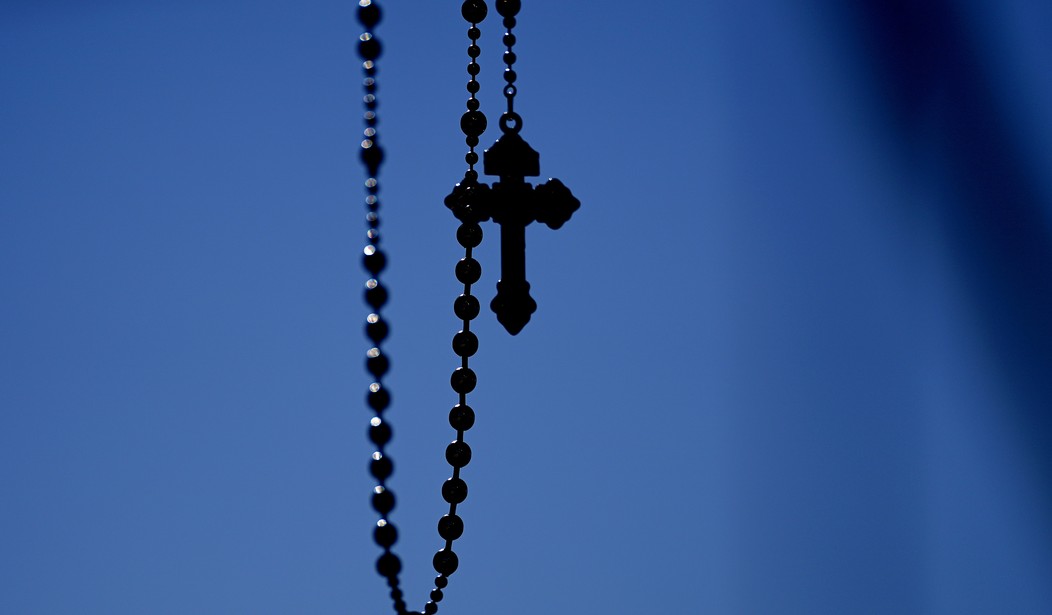
If you have never prayed the Divine Mercy Chaplet, give it a try. A simple Google search will show you how to pray it. You can also pray it using rosary beads, which most Catholics already have in their homes. Meditating on the seriousness of sin and the abundance of God’s mercy revealed in the Passion of Jesus Christ will truly change you forever.
Also for our VIPs: The Third Day Changed Everything: What the Resurrection Teaches Us About Enduring the Dark