


When we were children, we learned two very simple lessons: Honesty is the best policy, and don’t cry wolf.
Apparently, somewhere between childhood and Washington, those lessons got lost.
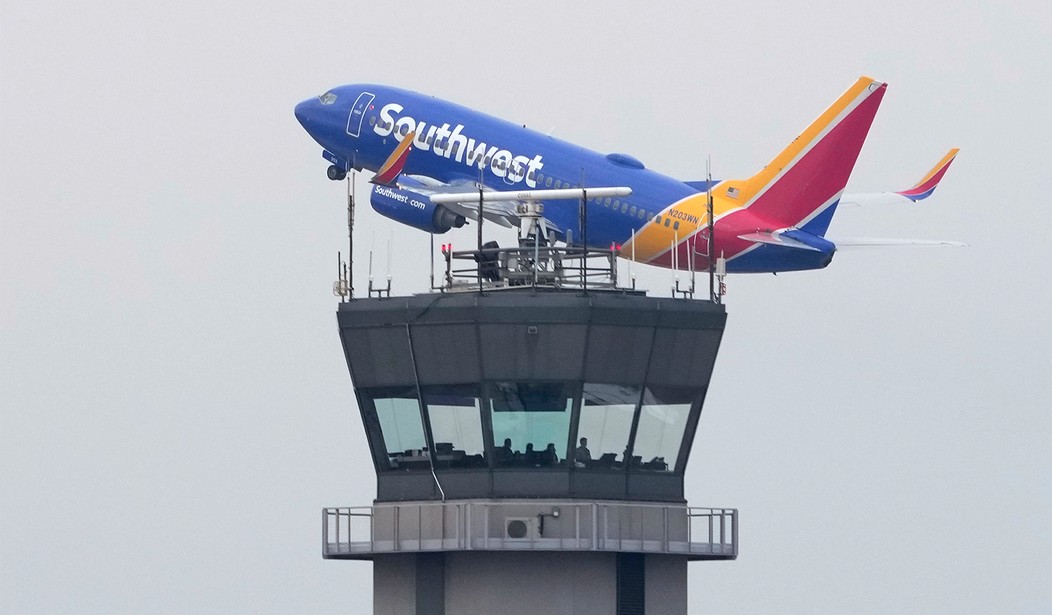
On Friday afternoon, America’s air traffic control system experienced serious communications problems. The FAA ordered a nationwide ground stop. Planes stopped departing. Airports descended into chaos. Travelers were stranded, and millions of Americans wondered what on earth was happening.
It wasn’t until later that evening, during a White House briefing, that Transportation Secretary Sean Duffy offered a detailed explanation.
The culprit? Apparently, antiquated switches, overloaded routers, and decades-old telecommunications equipment.
Well, that’s reassuring.
Not only are we apparently running one of the world’s most sophisticated aviation systems on technology that belongs in a museum, but we’re expected to accept that explanation without wondering why nobody addressed this vulnerability years ago.
And that's what troubles me most. If officials understood the problem early, why wasn’t the public given a clearer explanation sooner? If they didn’t, why not simply say so?
For more than four hours, Americans watched, waited, worried, and speculated.
In an atmosphere already filled with warnings about cyberattacks, infrastructure vulnerabilities, and emergency preparedness, silence is hardly comforting.
To be fair, the FAA did acknowledge communications problems, and grounding aircraft when critical communications become unreliable is entirely reasonable. Safety must come first.
But communication must come immediately after.
Remember being a kid and telling your mother you were going for a bike ride, when you were really meeting your buddies at the fort you’d built in the woods, sharing a warm beer someone had swiped from his father’s basement?
The first time she caught you, she was angry. The second time, suspicious. Eventually, even when you really were going for a bike ride, she didn’t believe you.
That’s what dishonesty does. It doesn’t merely destroy confidence in yesterday’s explanation; it destroys confidence in tomorrow’s truth.
And Washington has a serious credibility problem.
Related: Floppy Disks, Copper Wires, and Ground Stops: Welcome to the FAA’s Time Machine
According to Gallup’s findings on public confidence in government, only about one-quarter of Americans express trust in the federal government to act in society’s best interest.
Think about that! Nearly three-quarters of Americans do not express that level of trust in the very institution entrusted with protecting them.
So when something extraordinary happens, people naturally begin asking extraordinary questions. Was it a cyberattack? Foreign interference? A manufactured distraction? Or simply another example of government incompetence?
Those questions aren’t evidence of a conspiracy — they’re evidence of a profound breakdown in public confidence. And that’s the tragedy.
The switches really may have failed. The explanation may be entirely accurate. Officials may have acted appropriately to protect lives. But when trust has been squandered repeatedly, even the truth begins to sound suspicious.
We shouldn’t have to choose between blindly believing our government and automatically assuming the worst. We should be able to expect transparency, accountability, and timely answers.
Because the moral of the boy who cried wolf wasn’t that wolves don’t exist; it was that eventually, nobody believes the boy.
And someday, when our government desperately needs Americans to believe a warning, that loss of trust could prove far more dangerous than a broken switch.
Editor’s Note: Every single day, here at PJ Media, we stand up and FIGHT, FIGHT, FIGHT against the radical Left and deliver the conservative reporting our readers deserve.
Help us continue to tell the truth about the Trump administration and its successes. Join PJ Media VIP and use promo code FIGHT to receive 60% off your membership.

Join the Conversation
VIP members get the ability to comment on articles.