





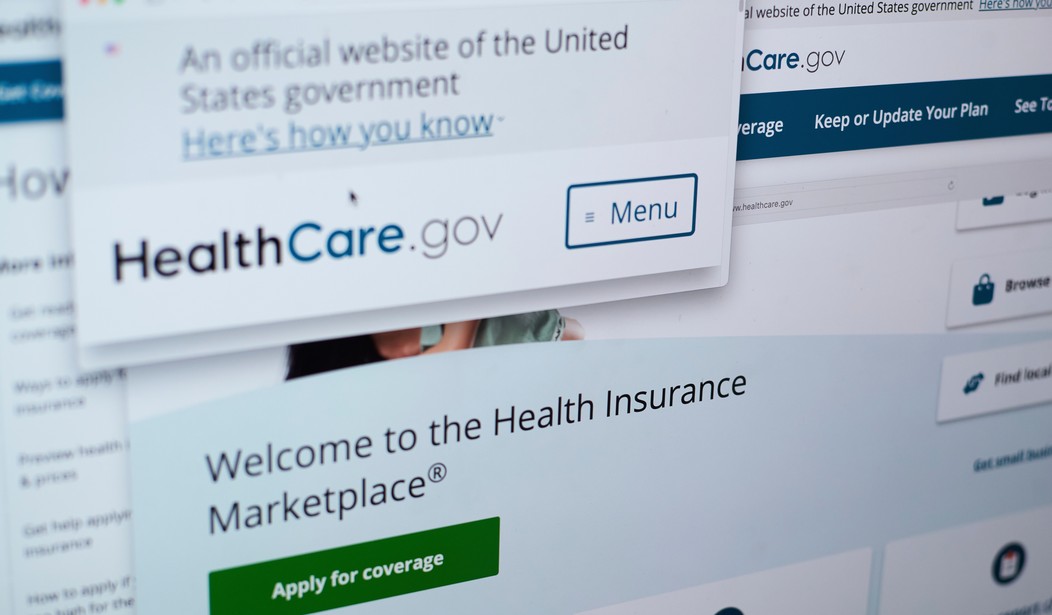
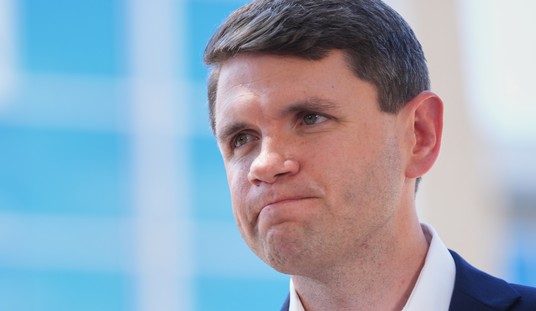
Wisconsin Attorney General Josh Kaul has joined a multi-state lawsuit against President Donald Trump's administration over new Affordable Care Act rules for 2027. Kaul says the changes would undermine Obamacare and make coverage more expensive.
Wisconsin has joined a coalition of 21 other states in suing President Donald Trump’s administration over a federal rule they argue undermines the Affordable Care Act, also known as Obamacare, and would make Obamacare coverage more expensive.
The lawsuit, filed in U.S. District Court in Northern California, seeks to block provisions of the federal rule, which would apply to 2027 plans bought on the marketplaces established by the Affordable Care Act. The coalition argues the rule would result in widespread coverage losses, primarily among younger, healthier people. This, the states say, would cause the pool of people enrolled in marketplace coverage to skew older and sicker and drive up premiums.
“The Trump administration continues to try to undermine the Affordable Care Act’s goals of expanding health insurance coverage and making it more affordable,” Wisconsin Attorney General Josh Kaul said in a news release.
By its own estimates, the U.S. Department of Health and Human Services says enrollment in coverage through the Affordable Care Act could drop by 2 million people in 2027 and as many as 5 million by 2030, under the rule.
Already, enrollment has declined, amid changes by the Trump administration and last year’s decision by Congress not to renew pandemic-era subsidies that made insurance plans bought on the marketplaces cheaper for consumers.
In February, about 245,000 Wisconsin residents were enrolled in a marketplace plan, a 15% drop from a year prior, according to the latest data.
In Wisconsin, most people get health coverage through their employer or through government-funded programs, such as Medicare, which insures adults 65 and older. But for people whose jobs don’t offer health insurance or who don’t qualify for a government program, they may buy coverage on the marketplace on HealthCare.gov. About 5% of Wisconsin residents go that route.
Earlier this year, the Trump administration said the federal rule would strengthen oversight of the Affordable Care Act marketplaces, expand consumer choice and cut down on fraud.
The complaint gives away something far more interesting. One of its biggest fears is that younger, healthier people may choose cheaper catastrophic plans and leave older, sicker people behind in the standard ACA market.
The states argue that expanded catastrophic coverage would pull healthier customers away from metal-tier plans, driving premiums higher for those who remain.
In plain English, Obamacare needs enough people who use less healthcare to keep paying into plans that help cover people who use more.
Trump didn't create that setup; the ACA did.
Congressional budget analysts explained the same dynamic years ago. Younger and healthier people without large subsidies effectively cross-subsidize older and less healthy enrollees.
The government's own analysts estimated that removing incentives keeping those healthier people in the individual market could raise nongroup premiums by roughly 20%.
Under current law, the individual mandate and its associated penalties increase federal deficits by encouraging people to obtain subsidized coverage—through Medicaid, the health insurance marketplaces established under the ACA, or employment-based plans (which receive indirect subsidies to the extent that premiums for that coverage are excluded from taxable compensation). Penalty payments from uninsured people partially offset those costs. Between 2017 and 2026, the Congressional Budget Office and the staff of the Joint Committee on Taxation (JCT) project, the federal government will collect $38 billion in penalty payments from uninsured people.
Beginning in January 2018, this option would eliminate the individual mandate; the ACA’s other provisions (including marketplace subsidies) would remain in place. CBO and JCT estimate that this option would reduce federal budget deficits by $416 billion between 2018 and 2026. Under this option, the loss of penalty revenue would be more than offset by the savings from reduced spending on federal subsidies for health insurance coverage.
This option would decrease outlays by $381 billion between 2018 and 2026, CBO and JCT estimate. Most of that amount (about $279 billion) would come from a drop in Medicaid enrollment. In addition, between 2018 and 2026, federal spending on subsidies for insurance purchased through the marketplaces would decline by $96 billion. (Those subsidies fall into two categories: those that cover a portion of participants’ health insurance premiums and those that reduce out-of-pocket payments required under insurance policies.) Other effects would account for the remaining $6 billion reduction in outlays.
CBO and JCT estimate that this option would increase revenues by $35 billion between 2018 and 2026. The removal of the mandate would increase tax revenues by about $56 billion because reductions in employment-based coverage would result in more taxable compensation for employees. Revenues would increase by an additional $16 billion because a portion of the decrease in marketplace subsidies for health insurance premiums would be provided in the form of increases in recipients’ tax payments. (The subsidies for health insurance premiums are structured as refundable tax credits: The portions that exceed taxpayers’ other income tax liabilities are classified as outlays; those that reduce tax payments are classified as reductions in revenues.) The increase in revenues over the period from 2018 to 2026 would be partially offset by a $35 billion loss from eliminating the individual mandate’s penalties. Other effects would account for an additional $1 billion reduction in revenues.
Conservatives repeatedly warned where this was heading when Obamacare was being sold. They argued that Washington couldn't promise broader benefits, tighter mandates, subsidies, and government-designed coverage without somebody absorbing the cost.
Republicans were warning before the ACA's passage that the Democratic approach could raise premiums and increase federal control over healthcare.
Now the Trump administration is giving more people another option. CMS Administrator Dr. Mehmet Oz's 2027 rule expands hardship eligibility for catastrophic coverage, tightens income and enrollment verification, lowers federal exchange user fees, and gives insurers more freedom to design plans.
Catastrophic coverage carries much higher out-of-pocket risk, so buyers need to understand what they're purchasing. Adults should still be allowed to decide whether the lower premium is worth the risk.
There's another piece of Obamacare history worth remembering. Insured coverage maintained under certain collective bargaining agreements ratified before March 23, 2010, received special transition protection.
Under the statute and these interim final regulations, a group health plan or group or individual health insurance coverage is a grandfathered health plan with respect to individuals enrolled on March 23, 2010. Paragraph (a)(1) of 26 CFR 54.9815-1251T, 29 CFR 2590.715-1251, and 45 CFR 147.140 of these interim final regulations provides that a group health plan or group health insurance coverage does not cease to be grandfathered health plan coverage merely because one or more (or even all) individuals enrolled on March 23, 2010 cease to be covered, provided that the plan or group health insurance coverage has continuously covered someone since March 23, 2010 (not necessarily the same person, but at all times at least one person). The determination under the rules of these interim final regulations is made separately with respect to each benefit package made available under a group health plan or health insurance coverage.
Moreover, these interim final regulations provide that, subject to the rules of paragraph (f) of 26 CFR 54.9815-1251T, 29 CFR 2590.715-1251, and 45 CFR 147.140 for collectively bargained plans, if an employer or employee organization enters into a new policy, certificate, or contract of insurance after March 23, 2010 (because, for example, any previous policy, certificate, or contract of insurance is not being renewed), then that policy, certificate, or contract of insurance is not a grandfathered health plan with respect to the individuals in the group health plan. Any policies sold in the group and individual health insurance markets to new entities or individuals after March 23, 2010 will not be grandfathered health plans even if the health insurance products sold to those subscribers were offered in the group or individual market before March 23, 2010.
To maintain status as a grandfathered health plan, a plan or health insurance coverage (1) must include a statement, in any plan materials provided to participants or beneficiaries (in the individual market, primary subscribers) describing the benefits provided under the plan or health insurance coverage, that the plan or health insurance coverage believes that it is a grandfathered health plan within the meaning of section 1251 of the Affordable Care Act and (2) must provide contact information for questions and complaints.
Those plans remained grandfathered at least until the last applicable labor agreement expired. It wasn't a permanent exemption for every union plan, but organized labor did receive specific protection from immediate disruption while the law took effect.
Wisconsin's lawsuit also attacks added income verification and higher out-of-pocket limits. Yet its political argument is already sitting in the complaint for everyone to see. Giving healthier people another coverage choice is portrayed as dangerous because Obamacare's remaining customers could become more expensive to insure.
Related: The Left Suddenly Loves the Troops, As Long As It Hurts Trump
If a federal health program becomes shakier when consumers get a cheaper option, its weakness predates Trump. Democrats built the system, defended it for 16 years, and now want Trump to own the consequences when his administration loosens some of its controls.
Yeah, right.
Obamacare created the problem, and naturally, Trump gets blamed.
If you’re tired of watching Washington create issues and then blame conservatives for noticing them, join PJ Media VIP. Save 60% with promo code FIGHT and support independent conservative journalism.


Join the Conversation
VIP members get the ability to comment on articles.