





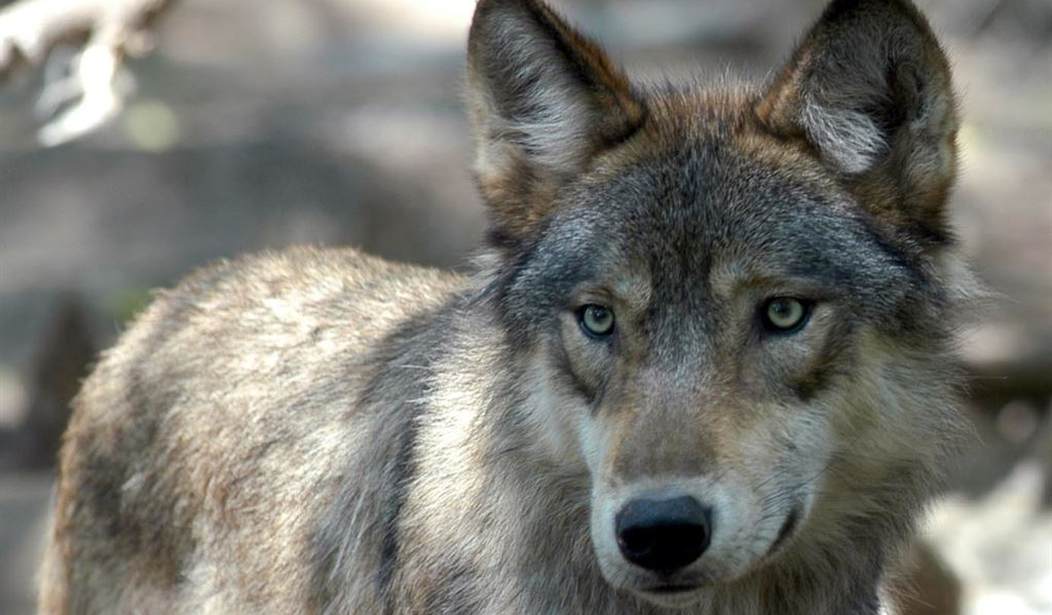
Wisconsin's wolf debate has become one of those arguments where everybody brings a real concern and nobody wants to give an inch.
Ojibwe tribal leaders, including Jason Schlender, executive administrator of the Great Lakes Indian Fish and Wildlife Commission, have opposed recreational wolf hunting because Ma'iingan, the wolf, carries deep cultural and treaty meaning.
Farmers and hunters see the same animal through a different window. They see dead calves, mauled dogs, thinner deer numbers, and another state policy written far away from the people who absorb the cost.
Wisconsin DNR Secretary Karen Hyun, Ph.D., now sits in the middle of a fight nobody envies, unless their idea of fun involves wearing a meat suit into a dog park.
The DNR's 2023 Wolf Management Plan rejected a hard statewide cap and instead uses management zones and local conditions. Randy Johnson, the DNR's large carnivore specialist, has defended the approach as more flexible than one fixed number. Hunters and farmers hear flexibility and wonder whether anyone in Madison owns a pair of boots muddy enough to understand the problem.
Current numbers show why the fight won't fade. Wisconsin's latest estimate lists 1,226 wolves in 336 packs, and the DNR describes the population as healthy and secure.
Reassuring words sound different after a farmer finds another calf gone or a hunter loses a dog. The DNR's depredation maps track verified wolf conflicts from 2013 to the present and separate them by depredations of livestock, hunting dogs, pets, and non-livestock threats.
The state also creates four-mile caution areas around verified dog and pet attacks on public lands, which tells hunters the danger isn't theoretical.
The deer issue gets trickier because wolves make an easy villain, but they don't explain everything. Northern Wisconsin hunters have complained for years about seeing fewer deer during the nine-day rifle season, especially compared with the early 2000s.
Heavy antlerless harvests, old T-Zone seasons, harsh winters, hunting pressure, and changing habitat all helped shape today's Northwoods herd. Less logging and fewer clear cuts also mean less young browse, which deer need for food and cover. Wolves matter, but so do human decisions, and pretending otherwise turns wildlife management into tavern talk with nicer stationery.
The money side matters, too. Northern Wisconsin depends heavily on fall hunting traffic. Hunters fill motel rooms, buy gas, eat at local restaurants, stop at bars, and spend money in stores where the same few dollars continue circulating through small towns.
Wisconsin's outdoor recreation industry contributed $12 billion to the state's gross domestic product in 2024 and supported over 100,000 jobs. Hunting and fishing license revenue also helps fund fish stocking, habitat restoration, wildlife surveys, and other conservation work.
Conservation doesn't run on vibes and bumper stickers; somebody has to pay for it.
Wisconsin already learned what happens when a wolf season gets mismanaged. In February 2021, a seven-day hunt closed in less than three days after hunters and trappers blew past the state's nontribal quota of 119 wolves; the final reported harvest reached 216.
A future season needs tighter controls, faster reporting, smaller management zones, and a shutdown system that works before the fight turns into another statewide brawl. Opponents of wolf hunting will use 2021 forever if Wisconsin gives them another example.
Colorado shows the same fight from the opposite direction. Voters approved wolf introduction in 2020; Colorado Parks and Wildlife released wolves in December 2023, and rural anger followed as livestock conflicts and management costs grew.
Because of that, Colorado has since delayed future releases, while ranchers and outdoorsmen argue they're being forced to carry the burden of a policy many urban voters supported from a safe distance.
Wisconsin doesn't need to copy that mistake; once wolves arrive, whether by recovery or release, speeches don't manage them. States do, or they fail rural people while congratulating themselves.
A limited lottery hunt, triggered only if federal protections allow it, makes sense. Wisconsin already uses lottery systems for other high-demand hunts, including bear.
A short, controlled wolf season wouldn't wipe them out, and serious people shouldn't talk as if every management tool equals extinction. Wisconsin respects tribal concerns, protects a healthy wolf population, improves habitat, compensates farmers more fairly, and still admits the obvious: people come first. A state that ignores farmers, hunters, rural businesses, and working families shouldn't call the result balanced.
It should call it what it is: politics with fur.
Readers who want more straight talk on fights where common-sense keeps getting shoved into the ditch can join the conversation at PJ Media VIP. Use promo code FIGHT to get 60% off your subscription.


Join the Conversation
VIP members get the ability to comment on articles.