





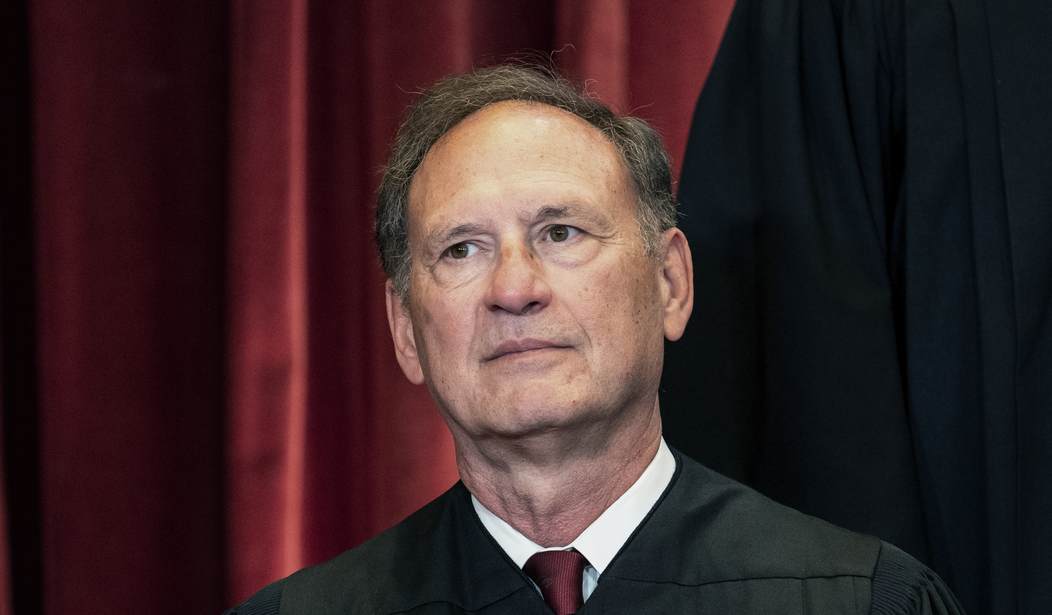
Supreme Court Justice Samuel Alito has recused himself from Suncor Energy (U.S.A.) Inc. v. County Commissioners of Boulder County, a major climate change case scheduled for oral arguments, about a week before the court is scheduled to take up the case.
Supreme Court Clerk Scott Harris announced Alito’s decision on September 28 in a brief letter to the parties, stating that the justice “has determined that he will not continue to participate.” Alito was supposed to hear the case on October 5, the first day of the court’s 2026–27 term.
The letter offered no explanation for the last-minute recusal, which follows months of pressure from environmental activists over Alito’s financial investments in the energy sector, despite him not owning any shares in the case’s parties.
Alito had previously resisted calls to step aside.
The case centers on whether state tort law allows Colorado local governments to hold oil and gas companies financially liable for their alleged contributions to climate change. Boulder County and other local governments are seeking damages from Suncor Energy and ExxonMobil, arguing that the companies contributed to climate-related harm. The Supreme Court’s ruling could affect similar lawsuits filed against energy companies nationwide.
Despite not owning stock in either Suncor Energy or ExxonMobil, Alito does hold investments in other energy companies, including ConocoPhillips and Phillips 66. Environmental activists have argued that a ruling limiting climate liability could also financially benefit those companies.
In May, a coalition of environmental and judicial watchdog organizations urged the Senate Judiciary Committee to investigate Alito’s participation in the case. They cited his “substantial holdings in individual oil and gas companies” and warned that his involvement could undermine public confidence in the court’s impartiality.
The green activists also questioned why Alito had previously recused himself from a related petition involving the same companies, but initially declined to step aside from the current case. The groups argued that the broader financial implications of the litigation warranted his recusal.
A Supreme Court spokesperson responded that Alito had no financial interest in any party to the case and that the court’s legal counsel had advised him that recusal was not required.
Alito’s earlier recusal from related climate litigation also drew scrutiny. In 2023, he stepped aside when the Supreme Court rejected appeals in the Colorado case alongside similar petitions involving other energy companies, including ConocoPhillips and Phillips 66. The court later said that Alito had “inadvertently recused” himself, because it considered the petitions alongside cases involving companies in which he held financial interests.
In January, Alito withdrew from Chevron USA Inc. v. Plaquemines Parish, Louisiana, a dispute over whether federal contractors can transfer certain cases from state to federal court. In that case, Harris explicitly cited Alito’s financial interest in ConocoPhillips, the parent company of Burlington Resources Oil and Gas Company.
The Supreme Court’s code of conduct, adopted in November 2023, directs justices to recuse themselves when their impartiality might reasonably be questioned. The code includes cases involving a justice’s financial interest in a party or the subject matter of a proceeding. Justices do not have to publicly explain their decisions to recuse themselves.
Alito’s withdrawal leaves only eight justices to hear the climate case. A potential 4–4 split would leave the lower court’s ruling in place without establishing a nationwide Supreme Court precedent on the legal questions surrounding state climate litigation and federal preemption.
The Supreme Court has not announced any changes to the October 5 oral argument schedule.
Support and follow PJ Media’s coverage of breaking news and key events. Join PJ Media VIP and use promo code FIGHT to get 60% off your membership.

Join the Conversation
VIP members get the ability to comment on articles.