



What Can Be Done to Reduce Post-Hospital Syndrome?
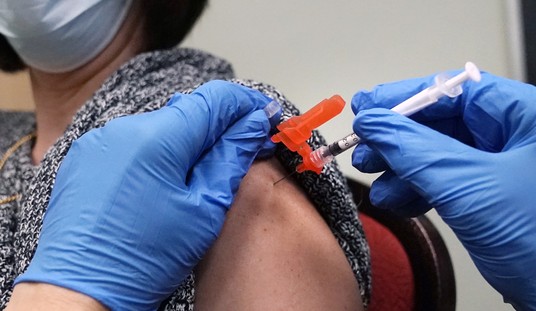
Hospital is a dangerous place, especially for the old and very sick — which is one reason why a measure of a hospital’s efficiency is the speed with which it discharges patients home after treatment. Another reason for this measure is, of course, economy. Long stays in hospital are hugely expensive.
However, aiming to discharge patients as quickly as possible may be neither humane nor efficient. People are not units of accounting or components in an assembly line or mere mechanical contrivances. Hospitals are not car repair shops.
An article in the New England Journal of Medicine reflects upon the fact that nearly a fifth of patients treated under Medicare, 2.6 million individuals, return to hospital for further treatment within 30 days of their discharge as cured or sufficiently improved to manage at home.
Rather surprisingly, perhaps, the chances of a patient having to return to hospital do not reflect the seriousness of his original condition, nor are re-admissions invariably for the same condition as that for which the patient was admitted in the first place. On the contrary, in the majority of cases the patient is readmitted for something quite different. For example, 63, 71 and 64 percent of patients readmitted after treatment for heart failure, pneumonia, or chronic obstructive pulmonary disease are readmitted for reasons other than their original diseases.
This means that their stays in hospital have had harmful effects upon them. The author calls the totality of the illnesses caused by a hospital admission the post-hospital syndrome, which is to say “an acquired, transient condition of generalized risk.”
Irrespective of their original condition, patients who have been in hospital often return with heart failure, pneumonia, infections of various kinds, gastrointestinal disturbances, mental illnesses such as confusion and paranoia, metabolic upsets, and trauma. The hazards of hospital are evidently various and often severe.
But what are the hazardous factors? Patients are often deprived of sleep, because of their medical condition, the unfamiliarity of their surroundings, and the constant interruption of sleep by noise. Deprivation of sleep, or reduction in its quality, has various harmful effects: on the heart, on the immune system, on blood coagulation, and on physical co-ordination. A harmful effect on the latter increases the risk of trauma caused by falls, for example; reduction in immune functioning predisposes to infections (and in hospital there are a lot of possible infections around for a weakened person to catch).
To all this may be added poor nutrition. One study showed that a fifth of elderly patients in hospital received less than a half of their daily food requirements. In other words, such patients are in effect starving under the eyes of doctors and nurses. Weight loss and lower protein levels in the blood predict patient readmission to hospital.
Elderly patients have reduced cognitive reserve: that is to say, they have less flexibility in appreciating new situations, and unfortunately hospitals have grown ever more bewilderingly kaleidoscopic, partly for reasons of technology and partly because of organizational changes. It is not uncommon, for example, for patients not to meet the same staff twice; bewilderment is a precursor of paranoia.
Is there a solution to all this? As our hospitals have grown ever more sophisticated technologically and more capable of seemingly miraculous technical procedures, so the human being who should be the focus of all this activity, and even common sense, seems often to be lost sight of. Theoretically, it should be possible and even easy to ameliorate many of the factors that lead to post-hospital syndrome; but I suspect that the same or very similar article will be apposite in twenty years’ time.
****
Images courtesy shutterstock / Lisa F. Young / wavebreakmedia / WilleeCole
More from Dr. Dalrymple at PJ Lifestyle:







Hospital is a dangerous place, especially for the old and very sick.
…
This means that their stays in hospital have had harmful effects upon them.
…
To all this may be added poor nutrition. One study showed that a fifth of elderly patients in hospital received less than a half of their daily food requirements. In other words, such patients are in effect starving under the eyes of doctors and nurses. Weight loss and lower protein levels in the blood predict patient readmission to hospital.
Well. First, the “readmission rate” is an issue because of Obamacare, which puts a different spin on the question.
Second, hospitals are dangerous places for all, people die in there, especially patients, though they also make you sign a DNR before you come in to use the rest room or visit the cafeteria. So, the in-hospital syndrome is the problem, right? Maybe we should close them all down, that would fix the statistics.
“No,” you say, there must be something wrong with that analysis? Well, maybe it’s because so many of the patients are sick and old, when they come in. They must be pretty desparate, or they’d never want to come to such a horrible place. So, if you take a pool of sick, old, desparate people and try to predict who will be in the hospital 31 to 60 days from now, you have to figure a bunch of them will be, whether OR NOT they visit the hospital in days 0 to 30.
You’re welcome.
Similarly the nutrition, I think it might be very common that elderly patients in their last week of life are typically undernourished. One might want to study just what of that is cause and what of that is effect. When dying, you might not have the best appetite.
I agree. The conclusion is an example of the “post hoc, ergo propter hoc” fallacy. Just because event Y occurs after event X, it does not follow that X caused Y.
Is this in England? I’ve heard about the starving of elderly patients there, but not that it is a problem here in the States. I also think it may be England because he says “elderly patients in hospital” and in America we say, “elderly patients in THE hospital.” I am absolutely in agreement, however, that the noise level, disruption level, and constant changes in personnel have a destructive effect on elderly patients. My 92-year-old father went into the hospital for an abscess, and while he came out and lived another six months, “he” never came back. His mind was gone. A 78-year-old, close friend of ours spent a week in the hospital and it took a month before he reoriented, even at home. Everyone was a stranger and he was lost and was sure he was being abused (he wasn’t.) It was terrifying and so sad!!
For real?
You have to ask?
Let’s sleep-deprive you for a week…
Are you addressing me?
I was referring specifically to this: Is this in England? I’ve heard about the starving of elderly patients there, but not that it is a problem here in the States. I also think it may be England because he says “elderly patients in hospital” and in America we say, “elderly patients in THE hospital.”
Hospital and THE hospital have nothing whatsoever to do with gerontology.
I believe hospital acquired infections are a common cause of readmittance. I used to work in a nursing home and being the neurotic germophobe that I am I was constantly worried about spreading nosocomial infections around to other patients, particularly C. diff and resistant S. aureus. We had to gown up and use gloves when dealing with isolation patients, but the one thing that was always neglected was the bottom of shoes. If I had the means I would do a study to measure the spread of infection around hospitals and into the greater community from healthcare worker’s shoes. From my experience with C. diff patients, the explosive diarhea often ended on the floor and other places where it could easily be picked up on a shoe and spread to another patient’s room. I think they are also a bacterium that produces spores which increases their likelihood of surviving a long trek on a contaminated shoe. My four year old son told me the other day that he was going to invent a shoe washer. When he said that, I thought of my dirty shoe phobia from my nursing home days. Maybe he was on to something.
Cliff the Beagle detects C. diff infections in hospital – long before the patients begin to smell bad enough for humans to notice.
Cliff’s probably too busy to scratch, then. I’ve lost count of the family and friends who have contracted S. aureus and C. difficile, and wound up in far more desperate straits than they were when admitted. Then, there’s the pneumonia, of course. Our hospitals are reverting to their pre-1850 state – more than a couple of days in, and you’re more likely to leave feet-first. Primitive, filthy warrens. I’m safer in a cage at the vet’s.
Uhh, I believe they make these funny looking cloth or even paper bootie thingies nowadays that you wear over your shoes. Might help if you put them on when you gown up and then throw them away when you leave.
The system now reminds me of the priests of Amun in Egypt. from wikipedia “the Amun priesthood exercised an effective stranglehold on Egypt’s economy.”
I will not forget the operation on my Mama after I told them she has a severe flu and then My daughter just last year had an operation she did not need that almost killed her and my advice stay away from the hospital after powerful antibiotics killed the infection and killed her immune system but then using food as medicine taking her health in her own holds has made her healthy again.
These secular priests with their magic arts are corrupted by money and arrogant about it I believe and the innocent doctors and nurses must bow down to these false gods
It is refreshing to encounter such profound knowledge. Keep away from hospitals. Avoid doctors. Place your trust and future in meditation, magnesium zinc, and organic nuts
Raw garlic is the only antibiotic that has had any success on killing C. Koseri that I “picked up” during surgery in 1999, when I had infamous USHC coverage.
The surgeon falsified my discharge summary to cover up her major mistakes. Very fancy hospital, part of Col-Pres network. and no, you can not sue for malpractice – another myth.
I would rather die than ever eneter another hospital for anything.
Since Medicare has now driven all of my doctors out of Medicare since 2007, I want access to a Death Panel rather than worry that I will someday be dragged to a hospital by the police in what has become
Trust me, you’ll be treated better if you have access to a death squad.
The obvious solution is to forbid readmittance within thirty days of hospital discharge, a policy akin to some health insurer’s attitude towards prescription refills. Yes, yes, this might result in some, er, attrition such as that experienced while waiting for open heart surgery in England, but think of the savings! If we’re really serious about reining in health care costs, why not limit individuals to just one hospital admission per year? We could even set up a secondary market allowing swaps much like the terrifically effective carbon emission exchanges.
Where did you hear that? You have a source, I’m sure.
It’s Britain btw.
Oh lordy, forgive me; British. the attrition rate for Brits awaiting heart valve surgery is quite impressive. Check it out.
So that would be a ‘no’ then?
ObamaCare is dealing with this problem by denying hospitals compensation for readmissions within a certain number of days after discharge. Thus, if a hospital patient is discharged, goes home, slips in his bathtub and breaks his leg resulting in his readmission, the hospital will be paid nothing for his second stay. This kind of bureaucratic nonsense is one reason why government should not be in charge of health care.
Modern medicine has discovered some near miracles, and just about everybody in the medical professions mean well, but that doesn’t translate into more medicine is better.
A huge amount of the increase in lifespan in 1st world countries is due to a small number of relatively low-tech innovations: more attention in the first few days and months of life, personal, hospital and dental hygiene, a handful of vaccines, anti-mosquito campaigns, and a few other things. Heart transplants, cancer cures, thousands of prescription medicines and hundreds of surgical procedures are great for the people they help, but statistically, they don’t move the lifespan needle much. And as this article points out, one man’s miracle cure is another man’s road to disaster.
In theory, I like doctors. In practice, I avoid them.
Moreover, there is no propaganda campaign in history that can compare to the propaganda campaign for medicine in the last 100 years. Pardon me for thinking a lot of it is pernicious.
If people had to pay for their health care instead of being fooled into thinking that they get a 90% subsidy (rather than realizing that the $1,000 a month their employer “pays” for their insurance premium is the real payment), the national costs of health care would drop like a rock, without moving average lifespans an iota.
I agree. Cash for service puts the hospitals and doctors back in touch with the patients in big way. We would be better off if there were no employer provided health insurance, and people could buy catastrophic high deductible insurance through pools, pre-tax.
I also believe hospital employees paid better attention to cleanliness and sanitation before the advent of broad spectrum antibiotics. There was a time when all nurses and docs wore white, and the walls and floors of good hospitals gleamed. The technology has made tremendous strides, but I’m not so sure about SOP’s.
My experience of readmissions almost always stems from one cause: an almost malignant disregard by the patient to follow post-operative or discharge instructions. Whether not taking the medication(s) they were written for or ignoring orders to stay non-weightbearing on an extremity (for example), every one of my readmissions is due to this neglect. They are given both oral and written instructions and several different people go over these instructions with them. It is stunning that it is not a nosocomial infection or some failure of the system which brings these people back but pure neglect by the patient to follow directions. With the punishing directives of the government against hospitals who have a Medicare patient readmit within 30 days (no reimbursement for that care will be forthcoming from Medicare, no matter how long the term of readmission), it will not be long before these facilities start closing their doors. That is one way to solve the problem (simply don’t have a hospital available for the first admission), but it hardly seems like a good solution. How on earth does one try and correct this? As Bill Engvall would state: “you can’t fix stupid”. Yet, according to Medicare, you can punish the victim of the stupidity.
Let’s see so rather than try a different way to educate or meet a patient’s needs, dr. obnoxious says how stupid they are instead. While I abhor Obamacare, some doctors really do need to get stuck in their wallets where it hurts. They pop in the hospital room, hardly enough time to say their name, answer no questions, scoot out and send the bill.
Since Dr. Obnoxious doesn’t seem too bright, perhaps I can enlighten with some suggestions: Have the hospital pharmacy fill the prescriptions before the patient leaves. Have a hospital social worker or home health nurse visit the patient at least once after discharge. People are nervous and as the article pointed out – disoriented – after being in hospital. They are often old, in pain, still sick – and you expect them to be perky and follow all of the discharge instructions? Instructions that are often glossed over by the nurses. And don’t lie and say they aren’t.
Here’s another: That person who is supposed to stay off that foot until they are better…how so? Perhaps they need to get a meal and have nobody else to do it. Or prefer to get into the bathroom than use diaper. Oh and can’t use crutches since their arms and hands don’t work too well anymore. And their kids work full-time to keep a roof over their own heads. Can’t be there 24/7 and living in assisted living is outrageously expensive $4K a month (!) and you still can get a lousy, unsanitary or abusive situation no matter how fancy the chandeliers. Perhaps the hospital could arrange for a volunteer list or god forbid even pay people to do a little personal care services for a couple hours a week. Oh no…they’d never in a million years do that.
The hospital pharmacy is forbidden by federal law to do what you suggest.
Medicare doesn’t pay for a home health visit unless it meets certain stringent requirements, such as the patient needs daily wound care.
As for the hospital paying for personal care people, the vast majority of hospitals are barely breaking even or as my hospital is doing losing money.
Eh? The pharmacy is forbidden by law to fill valid prescriptions? I have not had an overnight hospital stay recently, but I did have surgery in a hospital last summer, and was handed my medications before I was discharged.
Perhaps you could explain?
As for Dr Secord, it sounds as though he may need to take a break from the practice of clinical medicine. All your patients who need readmission, need it because they cannot follow your instructions? And it hasn’t occurred to you to ask why those instructions are hard for your patients to follow? You haven’t done followup with those patients to ask why they needed to put weight on a leg, or why they weren’t able to take the medication you prescribed? You haven’t modified your prescriptions based on this feedback? No? They are all just “stupid”?
Yeah, I’ve heard of that too. I believe it affects Medicare and Medicaid patients. As I recall, rule was imposed with the good intention of preventing additional expense to the public fisc, hospital pharmacies often being much pricier than outside pharmacies you know.
Sounds plausible to me. I can’t think of one elder of my acquaintance who is diligent about following their doctor’s instructions, even after being discharged from the hospital. And they’re sensible people who know better. No, it’s not because they don’t have assistance at home. Nor is it because they don’t understand the doctor’s instructions. And when they go off their physical therapy regimen or stop taking their prescriptions they rarely even bother to tell the doctor. Until they’re readmitted.
Kind’a looks like it.
A’course you could call it “willful” instead of “stupid”. But that don’t change what you can do about it, does it?
The doctor is right, I quit going to them about 2 decades ago when I realized that I was paying money for advice I was going to ignore anyways. Its not that the patients are “uneducated”, we just don’t care, choose not to follow the instructions, after all, its may body, I will do what I want with it.
The doctor is right and all the suggestions made (except the pharmacy filling the meds) have been/are being tried.
First, people are not willing to spend money for their own help. They think that if it involves health care delivery, insurance should cover it. It doesn’t and if you want to get some help, you better be ready to skim off your kid’s inheritance you don’t want to spend, or forgo the daily latte, 100 channels of cable TV, $75/month iphone data plan, massages, et al. Sick with chronic illness and need help at home? Wake up, the party’s over.
Second, baby-boomers are an entitled, addicted, impatient MESS. ALOT and I mean ALOT (I work in hospital) of those who have chronic illness got there because of poor lifestyle habits. They want a pill to fix it and they want it NOW.
Lastly, programs set up to follow people post-hospitalization are there for education and a GUIDE. Nurses call and remind them to make their appointments, weigh themselves, record their blood pressures and pulse, take their meds as prescribed, call for specific physical characteristics like shortness of breath, weight gain, swelling in the legs, uncontrolled pain. There are pages of names of those who won’t even answer the phone and talk to the nurse.
That’s some of it. And some of it is that people who are “willing to spend money” for their own healthcare are never given a straight answer to the question “How much will this cost me?”
That’s for sure! If they were like car repair shops they’d consult a flat rate manual and quote a fixed price for the proposed work. And if they made a botch of it, they’d offer to make it good at no extra charge.
Hmm, sounds like you know that from examining your own behavior.
Welcome to America, a nation founded by people who weren’t docile.
Now to address the concern you indicated, it appears to be a fruitful area of study for human factors analysts and experts who advise on improvements to customer service organizations within consumer service businesses.
And somewhere, a appropriate professional organization has likely identified the post-discharge follow-through best practices.
Such policies are a step on the path of future death panels eliminating most medical treatment of those who are “too old”—most except euthanasia, that is. This should be obvious.
Some clarity on definitions are in order here. What exactly does “readmitted to hospital” mean? Inpatient or outpatient? A bed stay in a hospital or just a doctor visit in a hospital? It is not surprising that 20% of elderly patients would have to return to the hospital for some reason within 30 days after a stay, if only to, for example, examine some adverse or unusual reactions to medicatiom or simply to evaluate the result of a procedure.
One of the provisions of Obamacare is, I believe, to essentially punish the medical profession if too many patients are “readmitted” within 30 days. The claim, of course, is that they are not doing anything to solve the problem, but are in fact consciously trying to prolong the issue in order to drive up billing costs. That’s their argument for this. Remember Obama talking about doctors needlesly lopping of limbs just to make money. Their narrative is that the medical profession in the US doesn’t “care about” patients, are generally corrupt and greedy and will do whatever makes them money, so therefore the fedgov must step in. As I said, that’s their argument. Many of these “studies” are politicized to create a pretext for the left’s agenda, and they have a way of using language that suggests one thing but actually means something else. They should not be accepted at face value.
I am surprised at most of the comments made so far. This is a very complicated subject and the presumption that re-admittance to hospital care implies neglect on the part of someone is foolish. Hospitals are where our very ill go for care so it is not surprising that there is a much higher probability of getting a super bug there or that they might have a relapse or have follow-on complications requiring readmittance. They are also very busy and are struggling to keep costs down, so there is ample pressure on physicians to make a judgement call as to when to discharge patients, as well as a presumption as to what kind of care they will receive at home. I would like to see more discussion on what can be done to improve the situation. For instance, cleaning a hospital to get rid of invisible microbes is very hard. How about using our technology know how to make effective cleaning easier, faster, and cheaper. Instead of punishing doctors, hospitals, and patients for re-admittances, let’s start gathering some real facts on causes and find solutions. For instance, one doctor commented above that his patients don’t follow discharge instructions. Perhaps that could be improved by home visits by qualified personnel. It would be cheaper than hospital readmission. Bottom line is medicine isn’t an exact science and there are plenty of risks and difficult judgements to make for every case. I am dismayed that the public debate on this topic is focused on simply reducing costs by cutting services, or reducing payments to hospitals and healthcare professionals, and stupidly assigning blame to doctor/patient fraud, malfeasance, or knowingly easily fixable incorrect lifestyle choices (e.g. obesity, smoking, etc.) Life is more complex than we know and hard enough for everybody without all of this destructive bickering. Most doctors and healthcare professionals are working their asses off to save lives and improve health and most patients are doing their best to get well and stay well. Let’s start there and look for ways to address the issues in a positive manner!
“knowingly easily fixable incorrect lifestyle choices (e.g. obesity, smoking, etc.”
If obesity is so easy to fix, why is the relapse rate over 70 percent?
Try thinking before posting utter nonsense.
Nate,
You’re right. Went to fast. My apologies. What I meant to say falls right in line with your point. All too often we’re more interested in blaming someone for problems rather than working to fix them. I agree obesity and addictions are very complex problems that are still eluding us despite the billions spent yearly to combat them.
I’m glad the author brings up nutrition. I’ve seen examples of older people not getting the right diet – soft or chopped and not getting help eating and the kitchen people take the tray away. Nurses don’t notice or care either. Much more could be said on this topic, however a somewhat related topic – VITAMINS and NATURAL supplements – is not only ignored but demonized in a hospital. Just try to smuggle a vitamin C or D or minerals like calcium/magnesium for a hospital patient. Doctors won’t prescribe them. May get a “multivitamin” that looks more like a rock they picked up off the street. Undigestible garbage. I appreciate what some doctors can hospitals can do, the money they get and the mistakes they get away with are awful. They can drop patients, give the wrong meds, not wash their hands and GOD FORBID a patient or family member asks a question. Then you are labeled as a troublemaker.
You have the wrong doctor. I had pancreatitis surgery a few years ago, and one of the consequences is I don’t absorb Vitamin D. My doctor promptly prescribed Vitamin D megadoses, and when that didn’t work, skin patches.
Readmission rates for new conditions can possibly be traced to new Medicare regulations reducing reimbursement rates for readmission for the same condition. That aggravating UTI reducing your Medicare checks? Find something else wrong with ‘em!
Behind all of it, of course is what typically happens in a society where a population has been provided the appearance of free healthcare…an overuse of services and a lack of preventative care. Add to that increased healthcare costs due to government mandated cost-shifting and we find ourselves unable to pay for the care of an increasingly unhealthy elderly population.
I’m a surgical sub-specialist. Many of my patients are elderly. My re-admission rate is miniscule. The key is observation of the patients themselves and not the objective parameters used by analytical minds. This is something that can’t be taught, and also why systems don’t work. I do a good job within the system we have, but it has nothing to do with the system and everything to do with me. If you want a good system, get rid of systems entirely. The only way to do that is to eliminate government licensing of physicians.
I agree with (11)burkean: I am surprised by most of the comments.
As to (14)teapartydoc’s assertion that good conduct cannot be taught, I say “Blame the teachers”, and I say this as a former academic doc.
A great part of the problem is the vertical integration of our health care systems. Is the employed’s responsibility to the patient or to the employer? I suspect teapartydoc will agree with this.
“To all this may be added poor nutrition. One study showed that a fifth of elderly patients in hospital received less than a half of their daily food requirements.”
That is because of the food they serve is approved by a high priced nutritionist. For example, they insist on whole wheat bread. I can’t eat that so I get no bread. They seem to have never heard of lactose free milk, so I get no milk or cheese.
If they let you order from a fast food place, you would eat better than what they serve.
My father had major abdominal surgery at midday on a Thursday, removing 1 foot of small intestine. He had a savvy family member by his side from the first minute he was out of surgery, day and night. Family made sure he was well cared for, had meds on time, walked when prescribed, ate appropriately and family communicated with nurse and other staff as needed. My dad Was sent home less than 48 hours after surgery and is doing fabulously 2 weeks out, having family care at home as well. I credit a great (surgeon) doctor, good hospital care, and the family unit pulling together for the best outcome for dad. No one wanted out of that hospital faster than my dad. But I will contend that the family presence and care, made a difference on when he was discharged. Also, we kept friends and visitors to a minimum, and didn’t have a party of 10-15 in the hospital room at all times like I saw happening with some patients ( who really just needed REST).
One of the problems is that we’ve been victims of our own success. We’ve done a tremendous job of keeping people 85 and above with lists of medical problems longer than your arm going far longer than they would have 20 years ago.
I’m not going to “cure” an 85 year old with COPD, diabetes, hypertension, dementia, and prior strokes admitted to the hospital. The best I can do is tune them up until the next organ system unravels, and they’re back in the hospital in 30-60 days. I agree non compliance is a significant issue (I see plenty of COPD patients that still smoke, for example), but most of my return patients are just older folks with end stage disease that the best I can do for them is give them a little more time.
The problem with this is that it’s tremendously expensive. Each of these admissions costs Medicare tens of thousands a pop, Medicare spending has grown exponentially, and has reached the limit of its growth just as the baby boomers are hitting medicare age. Another doubling of spending (currently at 800 billion), 7 years at current growth rates, would use up the entire discretionary budget of the US government. We simply do not have the resources to provide increasingly higher level of care to everyone promised.
The government realizes this. But instead of coming out and admitting the obvious, it tries to work at the margin to reduce spending. There is an active war of attrition between hospitals and medicare…one side makes a bureaucratic sinkhole of new rules and regulations, hoping for non-compliance and thus no payment, while the hospitals adopt expensive EMRs and hire “compliance officers” to make sure all the t’s are crossed and i’s dotted to get full payment. Both of which increase the cost of health care at a time when it can be least afforded.
The issue of rapid discharge is just one of the consequences in the battle over resources. Unless we recognize what is driving these changes, we won’t be able to stop them.
Best post yet. Clearly states that we are victims of our own success. Further thought: the younger generations have no idea of how precarious this success is and how easily people, even the young, died just 75 years ago. Instead of understanding that we may have reached the pinnacle of what can be hoped for, barring extraordinary genes and good lifestyle, we grouse that we cannot be surgically restored to our 18-year-old selves.
Thank God for doctors and nurses who do the best they can with the squeeze they are in between the government, insurers, and a too often self-indulgent public who will think the worst and sue at the drop of a hat.
The author’s analysis is eerily exact for my 90-year old father, who, since a fall in mid December, was taken to the hospital, then to a hospital-like transitional care, then to a nursing facility then back to the hospital…all in 45 days.
The day before his fall he could take reasonable care of himself: get out of bed, take his myriad organic supplements that allowed him to eliminate, eat his normal food heartily, get himself from his chair to his wheelchair, transport himself to the bathroom, use the toilet and shower himself. Most importantly, he was engaged in his sports and politics, actively watching Fox News, listening to Rush on his radio and reading what he could even though suffering macular degeneration and almost complete deafness.
Since entering the hospital system he has received none of his normal organic supplements that allowed him to function, has lost the ability even to turn over in bed (much less to sit up and get out of bed) cannot eliminate without a catheter and diaper, is lonely to despair, is on a series of drugs that 1) cause drowsiness, 2) disorientation and 3) constipation.
He initially went in to recover from a minor back injury and has lost all motor, bowel and bladder control, been under the care of a constantly-changing staff in three different facilities, cannot remember names, contracted an eye infection, a lung infection and who knows what else, all during flu season while being shuttled between medical care facilities where hundreds of patients and visitors roam around coughing and sneezing.
The ER waiting room looks like Ellis Island — standing room only with English definitely the minority language. The ER itself has patients overflowing the available rooms. My father — who was readmitted to get a simple chest X-ray to help combat a terrible cough he had contracted at his third facility — lay in a bed in the hallway for six hours. What he has needed all along is simple in-home care and recovery. But now it’s spiraled out of control.
My solution? Prepare your home for your own elderly years. This may mean moving to a single floor home on a level lot.
Select a home WITH ZERO ZIP NADA steps and stairs. Have wide halls and doorways. Have a garage you drive into and can exit the car easily, then enter a single level ranch style house with no impediments to movement if you need a walker or wheelchair. Be able to move through your house with low door thresholds. The slightest bumps become major impediments. Install a roll-in shower. You’ll be able to use and enjoy this shower daily in any event. Do these things while you have the money, time, wits and motor skills. When those skills leave you, you have what you built and that’s it.
My parents remodeled their home when they were in their mid-sixties, adding a third floor, and the main floor has always had a sunken family/dining room. They did exactly the opposite of what they should have done. That one step down stopped dad from moving within his own house. The ten steps down to exit the back of the house, the twelve steps and hard turn off the landing to get into the new upstairs bedrooms, the five steps down to exit the front of the house, plus the steep driveway (they built on a hillside in the 50′s) to get to the sidewalk out front plus narrow halls and doors all combine to make dad, even when healthy, a prisoner in his own house.
You — yes, you — need to build your own nursing facility. You cannot trust this “system” to do anything more than usher you to the morgue. Your house may need a room for a hired caregiver. Most of all, you need the love of your family and friends. Build that retirement house carefully with an eye to your own possible future immobility, make good friends, get involved in your church.
I fear it’s too late for my father, but his sad experience has given me more guidance than he knows about my own future in the horror that will be Obamacare.
An effective intervention for this problem is a close relationship with a family physician. Innumerable empiric and epidemiologic data clearly supports the idea that such a relationship decreases the risk of rehospitalization and iatrogenic complications.
Unfortunately, the family doctor is no more, the few excellent specimens that are with us are dead man walking, aging rapidly and unable to reproduce. Liability, debt, the depredations of procedure hungry specialists and the government sponsored dominance of hospital based systems have all conspired to lead those few interested soles to lead the life of an urgent care physician or hospitalist…..all when millions of new patients are about to jump on the roles.
If you are lucky enough to have a family doctor, tell them how much they mean to you, give them gifts, pay them under the table, do whatever you have to do to keep them in practice. Once they quit, you will be well and truly screwed
Exactly what has happened to my father: his “regular” doctor gave up years ago and dad’s been shuttled from one physician to another since, none of whom really know him at all, and all prescribing drugs he’s never needed before, then moving on.
One reason for re-admission may be harmful side effects of drugs prescribed to treat the original cause of admission.
#19 sounds a lot like what happened with my 93-year-old father when he was hospitalized in August;catherized, put in briefs, the social worker demanding he be discharged to nursing home until we told her no we were taking him home and taking care of him then she admitted his disorientation and lack of control, etc. were probably just caused by him being in the hospital and he would probably be fine once he got back home; he did regain control after we took him off some meds they put him on that were making him so weak he couldn’t get around to take care of business; think might be a reason for “noncompliance”?
Also did learn when he did have to go back before he was able to get to the specialist for follow-up – because it was not put on his discharge instructions – so don’t tell us everything’s done like it’s supposed to be – even though they insisted it was even though we were looking at it – they have a 23 hr. observation stay that doesn’t count as re-admission. Then once we did get our appointment any further visits don’t have to go through ER but straight to outpatient.
However, the stay did affect him; he’s not nearly so engaged as he was before
Wow, one-fifth of patients covered by a government program that reimburses essential services for an at-risk population at a reduced rate has issues. I’m shocked, shocked…
My girlfriend is a nurse case manager at a major urban hospital in the Northeast. Her responsibility is formulating the discharge plan. Her patient load is 70% Medicare/Medicaid. She sees the same things that hospital doc (#18) sees; her patients are mostly “train wrecks”. Medicare patients are elderly with a host of systemic health issues often having nothing to do, but compounding the effect of, the illness they are hospitalized for. Her Medicaid patients tend to be serial substance abusers with a plethora of conditions driven by lifestyle, and they’re all “frequent flyers” at her hospital.
Add to this the pressures to free up needed beds, the insurance companies’ constant battle with medical staff in an effort NOT to cover some treatment, illogical and impossible demands from patients and their families (No, ma’am, Medicaid doesn’t cover that exclusive, private rehab facility.), and, yes, some medical staffs valuing turnover over outcomes. The complexity of the issue defies simple solutions, so it’s only natural the this administration trots out a big hammer to compound the situation.
K (#19) has the right of it. Never go to the hospital without a trusted family member to advocate. Many elderly have cognitive issues after medical procedures, and they need someone to make sense of the discharge planning.
Elderly train wreck substance abusers?
In my experience the elderly (and I don’t mean the Baby Boomers) tend to be very stoical. And, until fairly recently, the medical profession were only too eager to overmedicate them.
Apparently developed countries have more doctors than they need. Fewer patients means redundant doctors. Who knows? They may have to join your girl friend on the coal face as nurses. Oh, but your girlfriend is a nurse manager. Dalrymple has some rather unflattering opinions about those.