




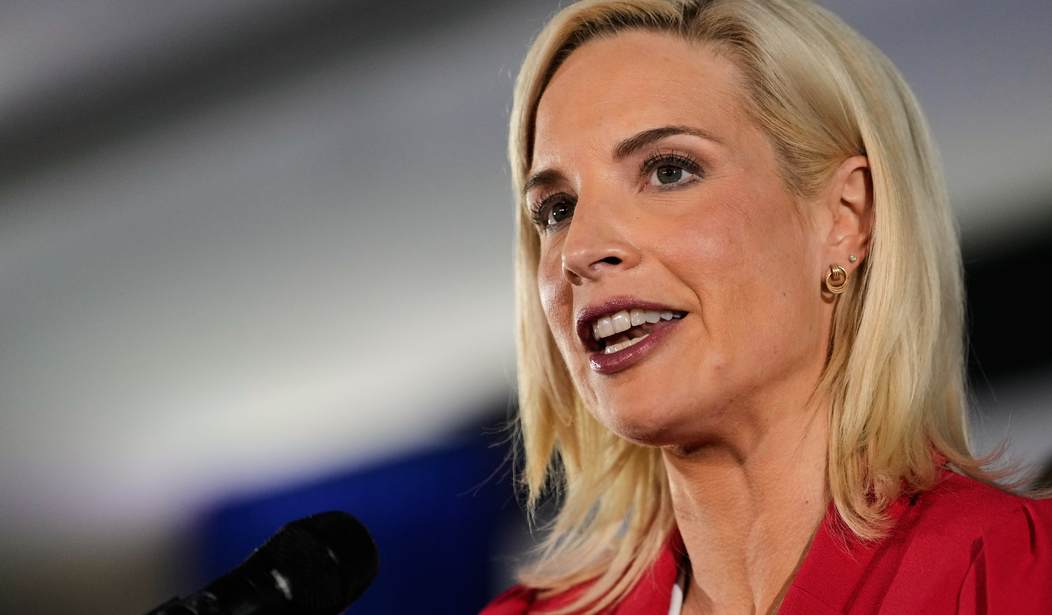
Ken Paxton had President Donald Trump’s endorsement. James Talarico had a pitch about rent, groceries, and utility bills. On Tuesday, Texas sent Talarico to the Senate, and Democrats took both chambers of Congress.
I don’t buy Talarico’s prescriptions, but I can see why a voter who’s been putting groceries back on the shelf wanted to hear what he had to say.
The Democratic Socialists of America understood something Republicans should’ve understood first: Give people a reason to vote for you. Five candidates backed by the DSA or its local chapters won House seats.
In Michigan, Senate winner Abdulrahman Mohamed El-Sayed put Medicare for All and household costs at the center of his campaign. I’d fight his healthcare plan, but I’d ask every Republican running against a candidate like him a simple question: What would you tell a family that can’t afford to use the health insurance it already pays for?
Democrats had plenty to say about Trump, but candidates with different politics kept coming back to what it costs to get by. About six in 10 voters said they were very concerned about grocery prices. More than half said government corruption was crucial to their vote for Congress. In Texas, about two-thirds of Senate voters said Paxton lacked the character to serve. Trump helped him beat Sen. John Cornyn in the primary.
Paxton had won over Republican primary voters. Winning in November meant answering to Texans who’d never asked Trump to pick their senator. They had their own questions about Paxton’s judgment and what he’d do once he got to Washington.
Republicans should ask those questions before they nominate someone. Can the candidate explain what he’ll do for his state? Can he sit across from people who disagree with him and give them a reason to listen?
Republicans should spend some time asking what they rewarded in that primary and what Texas voters valued in November.
There was a bit of arrogance on our side, too. Trump held 25 rallies by October 29, when he swapped planned stops in Kansas and Iowa for telephone rallies. He figured the Republican in Kansas was doing well.
Democrats flipped both seats.
Trump's confidence is part of his appeal, and no one in Republican politics can work a room as he can. But the people cheering in that room have already decided.
Who was making the case to the people who stayed home from the rally?
As for Trump fatigue, the man’s a New Yoakah who applies pressure every waking hour. I like that about him, and I can see how some voters have had their fill. The more telling result is that about seven in 10 voters, including roughly four in 10 Republicans, wanted Congress to do more to check presidential power. Some people who voted to put Trump back in the White House may also have wanted their own representatives to exercise a little more judgment.
Weather might’ve kept some people home. Storms threatened parts of Texas and the Midwest, but forecasters expected sunshine in the Carolinas, where Republicans also lost two Senate seats. We’ll need county turnout, early voting, and rainfall data to judge the effect.
History gives us a firmer starting point. The president’s party lost House seats in 20 of the previous 22 midterms. Losing at least seven Senate seats gives Republicans considerably more to reckon with.
And yet, here’s why I’m optimistic.
Republicans can choose candidates who’ve earned respect in their own communities. We can show families how we’d make it easier to build a house, open a business, or see a doctor without spending half a morning on the phone with an insurer.
We can make that case in places where nobody’s wearing a red hat, then go back to listen to the people who have questions.
There’s a majority worth earning out there. I’d be glad to start with the people who told us no on Tuesday.
Recommended: Chicago Got a $75 Million Windfall, but Its Pension Debt Was Waiting
If you want conservative commentary that asks hard questions of our own side, join PJ Media VIP. Use promo code FIGHT for 60% off.


Join the Conversation
VIP members get the ability to comment on articles.