





As if we can't hate the United Nations enough.
The UN Committee on the Elimination of Racial Discrimination issued a warning about President Donald Trump's immigration rhetoric, claiming that describing migrants as criminals could increase racial hostility. Members of the committee argued that the language used by political leaders can fuel discrimination and possibly trigger hate crimes against migrants, refugees, and asylum seekers living in the United States.
The Committee was deeply disturbed by the growing use of derogatory and dehumanizing language and the dissemination of harmful stereotypes targeting migrants, refugees, and asylum seekers. “Portraying them as criminals or as a burden, by politicians and influential public figures at the highest level, particularly the President,” the Committee said, “may incite racial discrimination and hate crimes.”
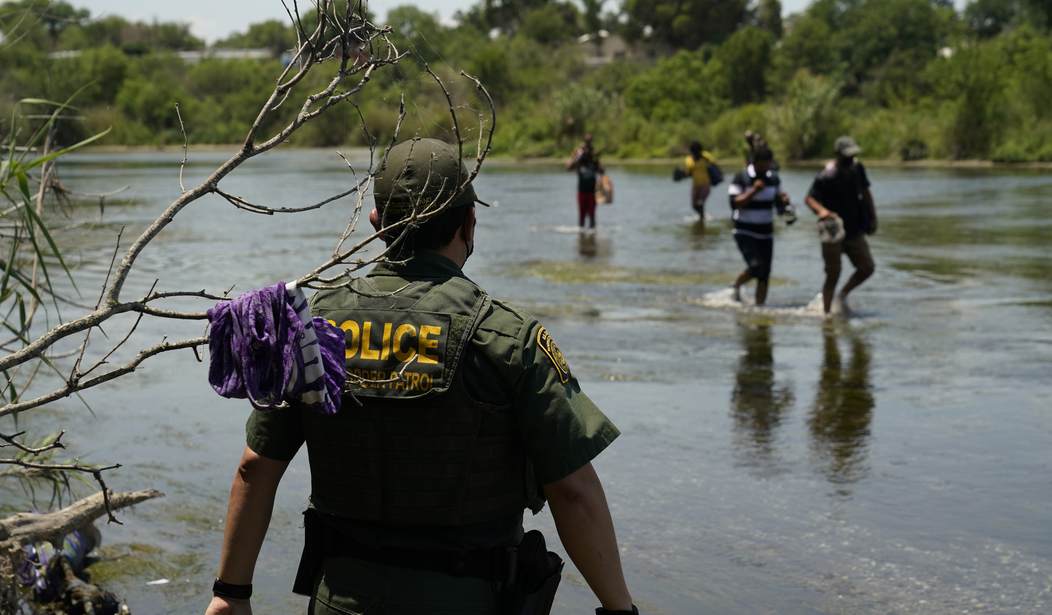
It underscored that the systematic use of racial profiling and arbitrary identity checks by the Immigration and Customs Enforcement (ICE) and the Customs and Border Protection (CBP) against people of Hispanic/Latino, African, or Asian origin has resulted in widespread arrests of refugees, asylum seekers, migrants, and people perceived as such.
The Committee also raised alarm that the lives and physical integrity of the above vulnerable groups are jeopardised by the excessive use of force and violence by enforcement officers during immigration operations. It cited that at least eight people have died since January 2026 during ICE operations or while in ICE custody, including protesters exercising their right to freedom of peaceful assembly and association and detained refugees, asylum seekers, and migrants.
The committee, operating within the United Nations human rights system, raised concerns about immigration enforcement actions carried out by federal agencies, including ICE and Customs and Border Protection. Committee members also referenced deaths tied to immigration detention and enforcement operations since early 2026.
UN officials urged the U.S. government to review immigration enforcement measures implemented after January 2025. Committee members called for restrictions on enforcement operations near schools, hospitals, and houses of worship. They also pressed federal authorities to prohibit racial profiling and consider alternatives to immigration detention for families and minors.
Trump administration officials rejected the criticism.
The White House accused the U.N. of bias and said Trump had delivered on many of his campaign promises, including securing the U.S. border.
"No one cares what the biased United Nations’ so-called ‘experts’ think, because Americans are living in a safer, stronger country than ever before," White House spokeswoman Olivia Wales said when reached for comment.
Administration officials argue that immigration enforcement remains necessary to address criminal activity tied to illegal entry and trafficking networks operating along the southern border.
The UN regularly presents itself as a global human rights watchdog, yet its own record has drawn scrutiny across multiple regions. Internal investigations into reconstruction programs in Iraq revealed allegations that UN development staff demanded bribes of up to 15% of contract values during a multibillion-dollar aid effort for postwar rebuilding projects. These accusations triggered whistleblower complaints about the misuse of funds intended for infrastructure and humanitarian aid.
Peacekeeping operations have produced another wave of scandals; personnel serving in UN missions have faced repeated accusations of sexual abuse involving civilians in conflict zones, including cases involving minors in South Sudan. Critics have argued that disciplinary systems inside the organization often move slowly and fail to deliver meaningful accountability when allegations surface.
Corruption within national governments receiving international aid has also been documented in UN investigative reports. One inquiry into South Sudan documented how political elites diverted billions of dollars from oil revenue while millions of civilians struggled with hunger and displacement. Investigators tied the corruption network to figures inside the government.
Instead, budget spending practices overwhelmingly favour political elites. Between July 2020 and June 2024, the Ministry of Presidential Affairs overspent its allocation by 584 per cent (nearly six times its allocation, at $557 million). By contrast, the Ministry of Health received just 19 per cent of its allocation (less than one-fifth, at $29 million), the Ministry of Agriculture and Food Security received only 7 per cent (less than one-tenth, at $11 million), and the Ministry of Gender and Social Welfare received just a mere $3.7 million across four years.
“The diversions are not abstract budget failures – they translate into preventable deaths, widespread malnutrition, and mass exclusion from education,” said Commissioner Carlos Castresana Fernández. “Three-quarters of child deaths are preventable — yet funds go to patronage and private pockets, not medicine or clean water and sanitation. Even as we speak, nepotism and kleptocracy in government are further entrenching. South Sudan’s international partners must make clear that this situation is unacceptable, cannot lead to peace, will not address rights indispensable to the survival of the population, and sabotages credible elections and the political transition.”
The report highlights emblematic corruption schemes, including the ‘Oil for Roads’ programme, which funnelled an estimated $2.2 billion off-budget into political patronage networks. The scheme implicates Benjamin Bol Mel, who was appointed Vice President of South Sudan in February 2025, whose companies failed to deliver most of the promised roads. It also details schemes by Crawford Capital Ltd in non-oil revenue collections, where little of the taxes reach government budgets, even as illegal levies on humanitarian actors obstruct critical food aid operations.
Against that backdrop, the UN committee chose to focus its attention on Trump's immigration rhetoric in the United States. The criticism landed at a moment when wars, famine, and corruption dominate headlines across several continents. Yet an international panel devoted its latest warning to how an American president describes illegal immigration.
The contrast raises an obvious question about priorities. Global institutions frequently claim moral authority when evaluating the conduct of sovereign nations. That authority weakens when the same institutions struggle to police corruption, misconduct, and abuse within their own operations.
President Trump has defended his immigration agenda as a matter of law enforcement and national sovereignty. His administration continues to highlight violent crimes committed by some illegal entrants while arguing that border enforcement protects American communities, an argument that remains central to his immigration policy and to the political coalition that elected him.
The UN committee may not like Trump's language, but paraphrasing Rhett Butler:
"Frankly, UN, we don't give a damn."
Want to support fearless reporting that pushes back against international lecturing and political spin? Join PJ Media VIP today and receive 60% off your membership by using the promo code FIGHT. Enjoy exclusive analysis, an ad-free experience, and access to content reserved for members.
Join the Conversation
VIP members get the ability to comment on articles.