
A quote attributed to the great president and abolitionist John Quincy Adams is, “Idleness is sweet, and its consequences are cruel.” We are seeing that play out in disturbing ubiquity in modern America.
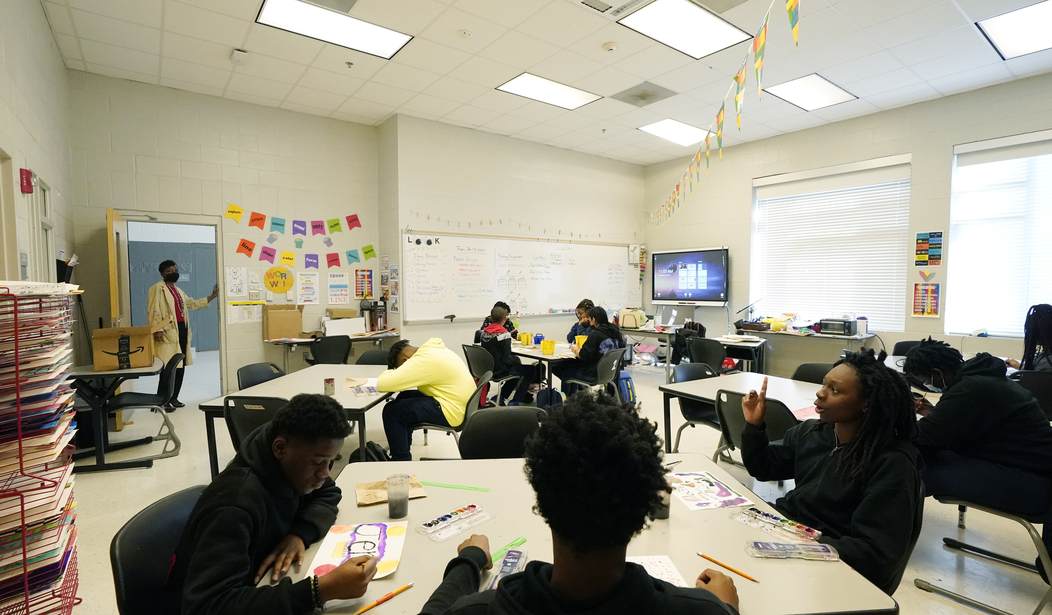
We have a system in America now, particularly in the educational sphere, that actively encourages idleness and rewards kids and young people who are lazy and do not live up to their potential. When public school students do not turn in assignments, principals forcibly alter teachers’ given grades to pass the kids anyway. When students take off class to protest for the latest woke cause, activist educators support them. When young people demand to receive food and housing and student loans at other people‘s expense, the government offers them more taxpayer money. Sanctioned idleness is embedded in our culture.
And therefore, we see how customer service is worse than ever, young graduates are struggling in the workforce and in relationships, and huge numbers of Americans spend their whole lives on welfare and vote accordingly. Our society is falling apart under an excess of idleness. While idleness might seem sweet at first, its consequences are indeed cruel, as John Quincy Adams said.
I hear stories and encounter examples of this all the time. There are people with whom I went to school who received endless extensions and accommodations and grades they did not deserve all the way up through college. Then they got out into the working world and managed either to get fired or to quit enough jobs that they became essentially unhireable. And yet through all of this, they always blame the employers for not being understanding and accommodating enough.
Recommended: The Hamilton-Burr Duel, and How Corrupt Men Exploit Nobility to Destroy People and Nations
This is not to say that there are not employers who are unreasonable, but simply to note that the youth in question were totally unwilling to fulfill their obligations as employees because irresponsible adults, either their teachers or their parents, had been encouraging them to have totally unrealistic expectations for most of their lives. These young people are trained to believe they deserve the fruits of hard work and high standards, even if they are idle and their work substandard.
Even worse are the young people over-diagnosed and overmedicated into believing that alleged ADHD or autism or anxiety made them incapable of meeting normal standards. Throughout most of history, people understood that their weaknesses were something to work on and overcome. Nowadays, young people are told that their weaknesses are their fate. For example, depending on which study you read, somewhere between 50% and 85% of adults with autism diagnoses are unemployed or underemployed. Now, I have known severely autistic people who managed to hold jobs. But too many are encouraged to see themselves as paralyzed in certain behaviors, and needing everyone else always to accommodate them. In the long run, it is tragic for the young people trained into dysfunctionality.
When Spencer Stone was a young boy in school, educators wanted to put him on medication and treat him as a problem kid. His mother said no. Stone grew up to join the military and become a hero for stopping an Islamic terrorist on a Paris-bound train (see 15:17 to Paris). He is an example of a success story where a parent rejected the idea that her son was doomed to be more or less idle because he supposedly could not handle normal expectations. He led a much more fulfilling life because he was not allowed to take the “easy” path that leads to destruction.