
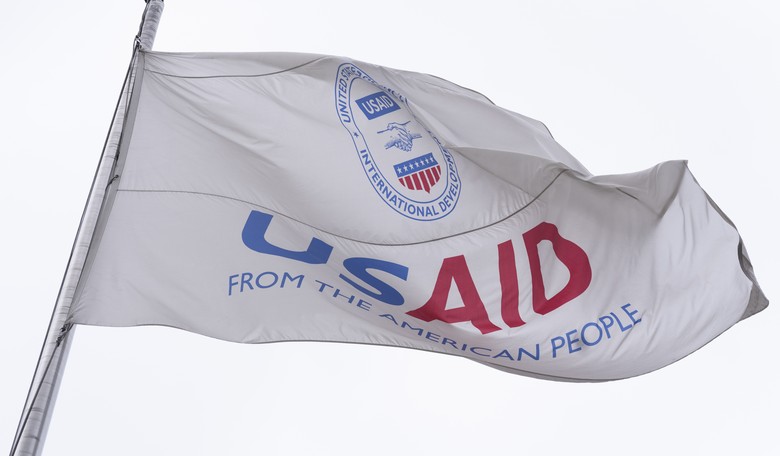
President Donald Trump ordered a sweeping review of American foreign aid on his first day back in office. USAID eventually stopped administering foreign-assistance awards, and the State Department inherited what remained.
The handoff was enormous. By March 2026, State was managing about 730 active former-USAID awards, carrying roughly $52.1 billion in cumulative obligations.
From the Government Accountability Office (GAO):
In response to multiple executive orders issued beginning in January 2025, selected agencies have made changes, some significant, to their foreign assistance programming and staffing. Eight of the nine agencies included in GAO’s review decreased funding (e.g., obligations) for foreign assistance awards.
One agency did not decrease the number of awards but has been unable to disburse funds to awardees since January 2025. Most notably, the U.S. Agency for International Development (USAID) terminated approximately 6,780 of 7,510 awards between January 2025 and March 2026, according to State data.
The value of obligations of the terminated awards from their beginning until March 2026 was $79.1 billion. The remaining active awards, now managed by State, represented about $52.1 billion as of March 2026. The Europe and Eurasia region had the highest dollar value of terminated awards but still has the highest dollar value of remaining active USAID awards. (see figure) State announced that USAID ceased administering foreign assistance awards as of July 1, 2025.
Nobody should read that number as $52.1 billion in loose cash suddenly dumped onto somebody’s desk. The GAO says the figure represents obligations accumulated on those active awards, some dating back years.
The management problem is still remarkable.
The GAO found that State lacked complete and accurate information on its foreign-assistance awards. Its MyGrants database had award-status problems, and officials couldn’t produce comprehensive workforce data on the people responsible for carrying out and overseeing the department’s newly expanded mission.
USAID’s workforce had fallen from roughly 13,600 people worldwide in January 2025 to 241 by April 2026. State, meanwhile, couldn’t provide the GAO with the staffing information it requested for an 11-month period.
Trump’s January 2025 order required reviewing foreign assistance for efficiency and consistency with American foreign policy. Programs could continue, change, or end based on those reviews, with the secretary of state playing a central role in the decisions.
The GAO found another hole right there.
State couldn’t provide documented agency-wide guidance containing standards for officials deciding how foreign-assistance programs should align with U.S. foreign-policy priorities. The GAO warned that without such guidance, officials could make inconsistent or inefficient decisions, misunderstand what changes leadership wanted, or trigger legal disputes over terminated awards.
The State agreed with the GAO’s three recommendations.
The department said it can generate workforce information and will consider the GAO’s recommendation on guidance during future planning. The GAO also wants State to keep its grants database accurate and current, produce comprehensive workforce information by location, and create documented agency-wide standards for foreign-assistance decisions.
There’s another number worth carefully handling. USAID terminated about 6,780 of approximately 7,510 awards between January 2025 and March 2026, representing $79.1 billion in cumulative obligations.
Calling all $79.1 billion “savings” is wrong; those obligations cover money associated with the awards over time, and termination doesn’t mean every dollar remained unspent or was suddenly returned to taxpayers.
The Trump administration had every right to ask whether American foreign aid served American interests. A bureaucracy administering billions overseas deserves aggressive review, especially when programs drift away from the priorities elected officials were sent to carry out.
But recognizing a bureaucracy doesn’t eliminate the need for controls.
The State inherited a massive foreign-assistance portfolio while simultaneously reorganizing itself and absorbing duties once handled by thousands of USAID employees. The GAO’s findings suggest the machinery for tracking awards, understanding staffing capacity, and guiding decisions didn’t fully arrive with the mission.
Washington moved quickly to change who controlled American foreign aid. Taxpayers have every reason to expect the management systems to move just as quickly.
When an agency inherits $52.1 billion in active awards, complete data and written rules shouldn’t be the follow-up project.