
What a week it’s been for Americans.
Not one but two major outages hit us like a ton of bricks, leaving millions of them affected with either a lack of a necessary resource or the inability to do something as simple as travel. And it has me asking questions about who could be responsible.
The first outage started earlier this week, when Microsoft’s Outlook service went down. Millions of users depend on this service both for personal and professional use, and the fact it remained down for several hours without being able to resolve the problem is concerning. After all, this is Microsoft here – a company that has made billions based on its technology.
The company has noted that things are getting back to normal finally, but there are still questions as to what caused the outage.
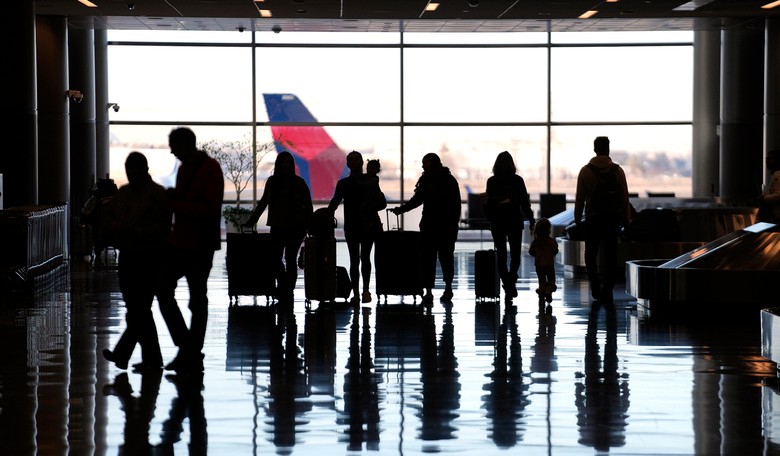
But then a bigger concern rose this past Friday, as the FAA suddenly ordered the shutdown of all grounded flight travel. That left thousands of people stranded at airports, with no idea when their flights would recommence.
Though Transportation Secretary Sean Duffy has explained that it is “slowly” returning back to normal, there are questions as to what caused the shutdown to begin with. The FAA noted that it was due to “legacy air traffic control routers and communication systems becoming overloaded with data and beginning to produce inconsistent readings.”
These are two very different types of “crashes” in technology, but I can’t help but wonder if we should increase our cybersecurity. Especially considering if this is just a hint of what’s to come, and what services could come down next.
Honestly, it could be anything. Here are a few ideas of what could have caused these crashes, aside from the official reasoning provided to news outlets already. (Now, keep in mind these are not confirmed, just things that could have possibly happened.)
Disgruntled hackers in our own country. It’s safe to say that there are people out there who aren’t happy with how the country is going. They’re not pleased with the leadership of Donald Trump, or they’re just tired of the political squabbling altogether. So they’re putting their keyboards to work with potential hacks to change the system in their favor. We’ve already seen warnings in the past as to what these hackers can do, and the possibility does exist that they found their way into Microsoft’s servers – or even the FAA’s – to see what they can do.
Overseas hackers – As if people capable of hacking from the inside weren't already a problem, there’s also the possibility that someone could be trying to get in from overseas. It’s obvious that America has its fair share of international enemies, namely Russia and China. Both countries have some very dangerous talent out there, capable of crashing systems with a well-planned cyberattack. Our international teams may want to keep a closer eye out for these guys.
Recommended: 'Bulletproof' Comic Book Shows Kids the Heroism of First Responders
AI Agents – Remember the movie Terminator 2: Judgment Day and how it utilizes a system like Skynet for protection that ultimately backfires? I’m not saying we’re headed for that in real life, but it’s known that a lot of businesses these days use AI agents. These are autonomous software systems that utilize an AI model to perceive their environment, reason through a goal, and take multi-step actions across digital tools on behalf of their program rules. It seems a little far-fetched that it would think ahead for itself and cause some form of disruption, but considering how AI has backfired in some places in the past, you never know.
Honestly, maybe it is just a freak occurrence that two companies saw major outages back-to-back. But the honest truth is that there are potential threats out there, and this could be the wake-up call to take a closer look at our online security. I hope Trump sees these situations and increases the teams to keep tabs on stuff like this, so we see fewer outages that affect millions of people in the future.
For that matter, it never hurts to take care of yourself as well. Protect those passwords. Enable two-factor authentication. Keep track of bank account information and watch for any hacker alerts. Because, as we’ve seen from this week alone, you never know.