
Parents recognize a child falling behind long before a governor appoints a committee to examine the problem. They see unfinished homework, frustration at the kitchen table, and a tutoring bill they’re trying to squeeze between groceries and the mortgage.
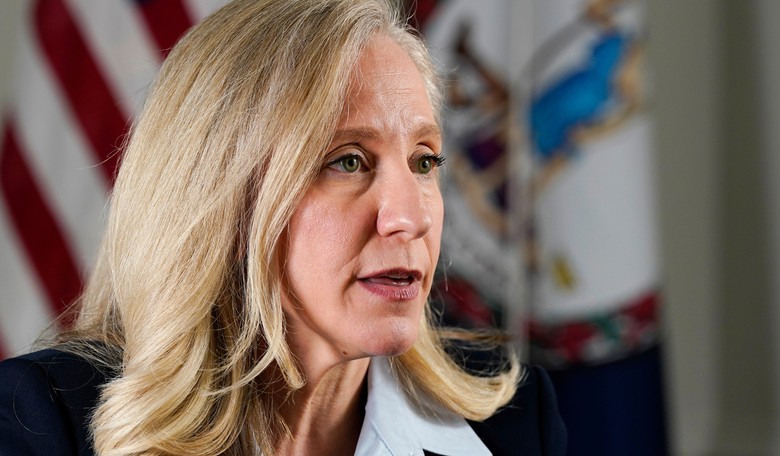
Virginia Governor Abigail Spanberger has decided those families should wait while she watches what happens somewhere else.
Her administration won’t complete Virginia’s enrollment in the new federal scholarship tax credit program, reversing the direction set by former Governor Glenn Youngkin. Her office says it doesn’t believe the program would benefit public-school students and plans to assess its effects in other states. That explanation runs straight into the program’s stated purpose.
From Jewish Insider:
A source in Youngkin’s political office told Jewish Insider that as governor, he completed all the necessary paperwork at the time to enroll Virginia into the program. The IRS did not open the Federal Scholarship Tax Credit State Portal for state authorities until last month, nine months after Youngkin left office.
As a result, the final step — submitting a list of approved scholarship-granting organizations — was left to the incoming Spanberger administration.
Part of President Donald Trump’s 2025 flagship policy package, the tax credit provides a dollar-for-dollar tax credit — up to $1,700 annually — for donations to approved Scholarship Granting Organizations.
Beginning in 2027, qualifying donations to approved scholarship organizations can earn an individual a federal income tax credit of up to $1,700. The organizations award scholarships for eligible education expenses. Those expenses include private-school tuition, tutoring, special-needs services, books, and equipment. Help doesn’t require every recipient to leave public school.
A parent looking for a math tutor isn’t necessarily shopping for a different school. A family seeking additional services for a child with disabilities may want to supplement what a dedicated teacher already provides. Treating those needs as collateral damage in the school-choice argument puts political categories ahead of actual children.
Youngkin filed Virginia’s advance election to participate before leaving office. Completing enrollment requires a list of qualifying scholarship organizations. The submission portal wasn’t available when his administration began the process, leaving the final step to his successor.
Virginia has until February 15, 2027, to submit its list.
From Jewish Insider:
“This is an unfortunate decision, and we hope Governor Spanberger will reconsider. The only thing opting out of the federal education tax credit accomplishes is denying Virginia families scholarship support for their children,” Jewish Federations of North America Chief Jewish Life Officer Sheila Katz said in a statement.
“Virginia taxpayers can still use the tax credit to fund scholarships for children in other states, and taxpayers across the country can do the same, but Virginia’s children in public and private schools cannot benefit. Why would Governor Spanberger choose to deny Virginia’s children this opportunity?”
The IRS still lists Virginia among states that made advance elections. That listing and the governor’s refusal can coexist because announcing participation and completing the required steps are separate matters. Parents need the process finished, not a press release celebrating a door that remains locked.
Spanberger’s office can debate Youngkin’s description of how far he got. The useful question is what she intends to do with the authority she holds today. An unfinished application inherited from a predecessor becomes the current governor’s decision when she refuses to finish it.
Governors should scrutinize scholarship organizations, demand honest records, and protect families from fraud. Supporters should welcome that scrutiny. But a refusal to participate doesn’t distinguish a sound organization from a dishonest one. It shuts the opportunity down for everyone who might qualify.
Nor should anyone sell the program as costless. A federal tax credit reduces federal revenue, and its value should be judged against its results. Accountability requires examining whether children receive useful services, whether money reaches eligible families, and whether the program delivers what its advocates promise.
Those are arguments for measuring performance. They don’t establish that public-school students can’t benefit from expenses the program expressly covers.
The practical test should be straightforward: Can an eligible family get a service that helps its child learn? Parents already make those judgments when they buy workbooks, arrange rides to after-school programs, or pay for an extra hour with a tutor. Their governor should make that work easier.
There’s also an awkward geographic consequence. Virginia taxpayers can contribute to qualifying organizations in participating states regardless of where the donors live. Their donations could help children elsewhere while Virginia families remain outside the program.
A governor can call that caution, and the parent pricing another month of tutoring may have a less flattering description.
Spanberger still has time to change course. She should finish the paperwork, demand accountability, and let eligible Virginia families pursue the help available to them. A child struggling through another school year can’t recover lost time by reading the governor’s eventual assessment.