
The wedding meal was grilled cheese sandwiches and tomato soup. Of all the details surrounding a Marine veteran’s marriage in a Pennsylvania hospice unit, that’s the one I keep returning to.
Ivson Shelley wanted his favorite comfort food at his wedding. A nursing assistant made it, giving an extraordinary day the familiar taste of something he loved.
In an account published in May 2025, the Lebanon VA Medical Center described admitting Shelley to hospice on a Thursday afternoon. The Vietnam veteran told staff he wanted to marry Wanda Rivera. They’d dated more than 50 years earlier and renewed their relationship about a decade before the wedding.
From the VA:
The couple had dated more than 50 years ago and rekindled their relationship 10 years ago. Upon hearing the Vietnam Veteran’s wish, the VA team, led by Hospice Nurse Manager Jessica Himes, RN and Hospice Social Worker, Erin Miller, MSW, LCSW quickly came together to make it happen.
Palliative care nurse Melissa Buchinski, RN began to research what the requirements were to secure a marriage license for the couple. She learned they could assist the couple but there is a three-day waiting period in Pennsylvania before a license may be issued once application has been made. Miller and Himes reached out to their Public Affairs Officer, Douglas Etter, a retired Army chaplain. They asked if something could be done to expedite receipt of the license. Brian Hartman, a Navy Veteran and the facility’s Safety and Occupational Health Manager was with Etter at the time.
He did a quick search online and discovered a waiver could be granted in extenuating circumstances. Etter knew the Lebanon County Clerk of Orphan’s Court, Brain Craig, so he contacted him and explained the situation. Craig (a USAF Veteran) promised his help and sent the waiver form to Miller, who completed it with the family. Craig then got a judge to sign the waiver.
Their story makes me think about how we put important things off. We’ll make the trip when work eases up, we’ll gather the family when everyone can come home, and we’ll say what needs saying when the moment feels right.
Then a hospital admission rearranges the calendar. The things we thought could wait become the things we most want to do, and the people beside us become more important than whatever kept us busy.
Shelley’s wish gave his caregivers something specific to accomplish. Pennsylvania’s three-day marriage-license waiting period stood in the way, but staff helped obtain a judge’s waiver. They completed the application with the couple, paid the fee, and made trips to the courthouse to secure the license.
There’s a particular kind of kindness in taking responsibility for the next task. Someone has to find the form, make the call, and drive across town. Sympathy can sit quietly in a chair; helping often requires getting up and finding the person who knows what to do.
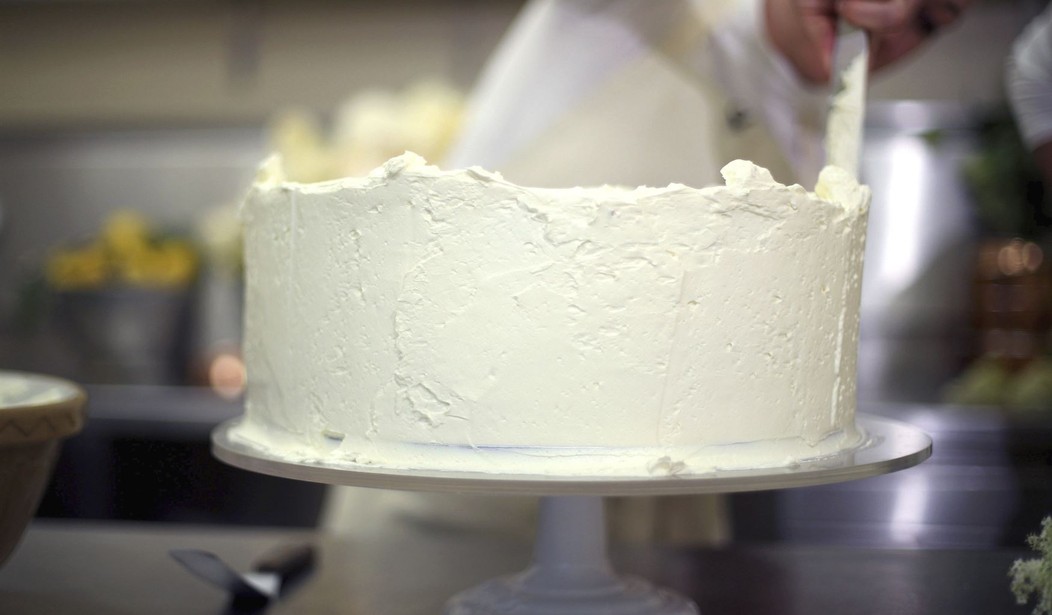
The wedding preparations included a beard trim, a haircut, a suit brought by family, flowers, a cake, and decorations for the hospice day room. On Friday at 11 a.m., a chaplain performed the ceremony, and Shelley’s daughter, sister, dog Oprah, and more than 50 staff members attended.
A suit and a beard trim can seem like small matters until you consider what they allowed a man to do. He could meet his bride as a groom, dressed for an occasion he had chosen. Illness had already demanded enough of his attention. For a while, there were wedding preparations to think about.
I think about Wanda, too. Marriage vows spoken in a hospice unit carry the weight of circumstances everyone present understands. Nobody needs to explain that health can fail or that time together is precious. Those truths are already in the room, alongside the people who have come to celebrate.
There’s courage in making a promise under those conditions. We usually associate weddings with the long future ahead, with homes to establish and anniversaries still too distant to count. A wedding near the end of life asks us to recognize the value of the day we actually have.
The staff’s work also offers a lesson about care. A person receiving it still has preferences, relationships, and plans. Asking what matters to him can uncover something no chart could tell you. Listening closely can give everyone a purpose beyond completing the next necessary duty.
We can’t measure a marriage's worth by how many anniversaries it reaches. Some couples receive decades; others make their vows with far fewer assurances, loving someone whose need for them is immediate and whose future they can’t arrange.
On Thursday, Shelley asked to marry Wanda. On Friday, the people around them had made it possible. It’s hard not to think of a wedding meal being prepared and the kindness of making exactly what the groom wanted. Somewhere amid all that necessary work, they had remembered there was still a wedding to celebrate.