
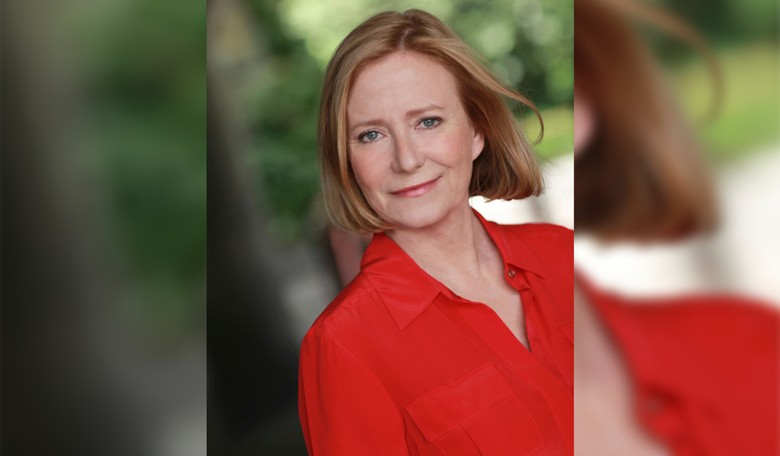
Last week, child actress Eve Plumb, who played middle daughter Jan in the popular '70s TV show The Brady Bunch, opened up about the cost of fame in an interview hosted by The Facts Verse podcast.
It left me considering how many stars have expressed discontent, struggles, and pressure related to fame, and even those who haven't come out publicly but whose lives appear to be less than perfect.
Plumb, now 68, shared how many children approach her expressing a desire to be famous. "No, you don't want to be famous," she reportedly replies. "Once you're famous," she explained, "you can't go back."
She clarified that acting isn't the issue; public life and attention are. "If you want to be an actor and you want to do good work, you want to play interesting parts, sure. But you don't want to be famous."
Other ultra-famous stars have voiced similar sentiments.
In 1991, for instance, Julia Roberts replied to circulating tabloid rumors of substance addiction in an interview with Entertainment Weekly. She vented about the consequences of notoriety: "That's why it's so absurd and frustrating. Why should I have to explain something that's never been an issue in my life? But I'm forced to because every paper in the country is writing that I'm a drug addict."
Jim Carrey, one of the most prominent comedians of his generation, tried to dispel the idea that fame automatically means a fulfilled life in an interview with journalist Jay Stone in 2005. "I think everybody should get rich and famous and do everything they ever dreamed of so they can see that it's not the answer," he said.
Megan Fox, known for her role in the Transformers franchise, revealed that wealth and renown do not ease intense public criticism but exacerbate it. She told Esquire magazine in 2013: "I don't think people understand. They all think we should shut the f**k up and stop complaining because you live in a big house or you drive a Bentley. So your life must be so great. What people don't realize is that fame, whatever your worst experience in high school, when you were being bullied by those ten kids in high school, fame is that, but on a global scale, where you're being bullied by millions of people constantly."
Jennifer Lopez, another universally known actress and singer, summed it up well in a statement to Complex magazine in 2015: "You can have all the money in the world and it doesn't mean you're a happy person."
She also shared how fame can complicate family dynamics, telling The List in 2024, "For [my family,] it was like, 'OK, well, now she's this, and what does that mean? How much do I expect? How much do I ask for, and how much do I not?' There's confusion. There's resentment and very mixed, complicated, adult feelings."
Countless more actors have suffered from mental health issues, substance abuse, and harassment from the public as a direct consequence of stardom.
Young actresses such as Judy Garland, Shirley Temple, and Marilyn Monroe reportedly suffered sexual harassment in their early careers, while depression, anxiety, and eating disorders have plagued younger generations of stars, including Demi Lovato, Selena Gomez, and Robert Pattinson.
Drug and alcohol addictions have been rampant in Hollywood throughout the 20th and 21st centuries, affecting stars such as Charlie Sheen, Robert Downey Jr., and Drew Barrymore.
In the end, the Brady Bunch star may be right. While pursuing a career in acting or singing for its own sake is admirable, fame itself is not something to be desired. Take it from those who know.